The American School of Classical Studies at Athens (ASCSA) is the oldest and largest U.S. overseas research center. A consortium of nearly 200 affiliated North American colleges and universities, the School provides graduate students and scholars a base for the advanced study of all aspects of Greek culture, from antiquity to the present day.
Please be advised that the Gennadius Library will be closed to the public after 1:00 p.m. on Saturday, October 24, 2026, due to scheduled network maintenance and upgrade. We apologize for any inconvenience this may cause and thank you for your understanding.
Read More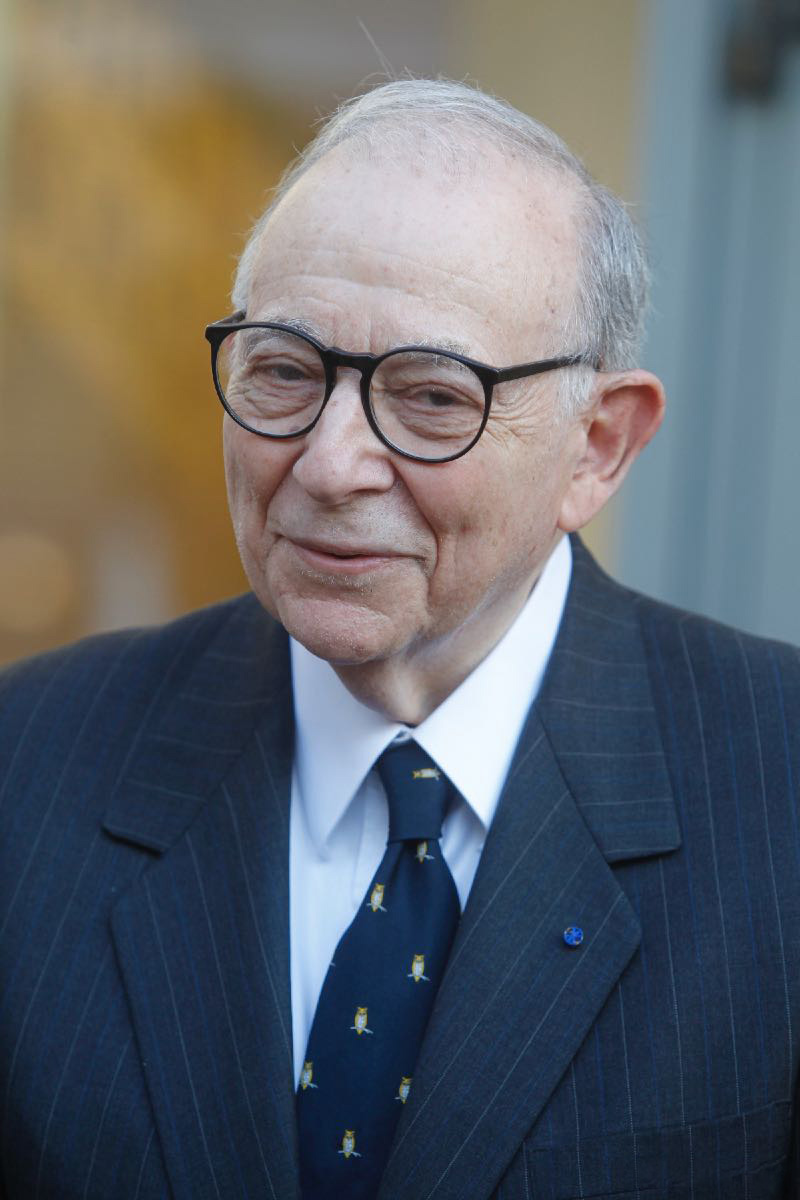
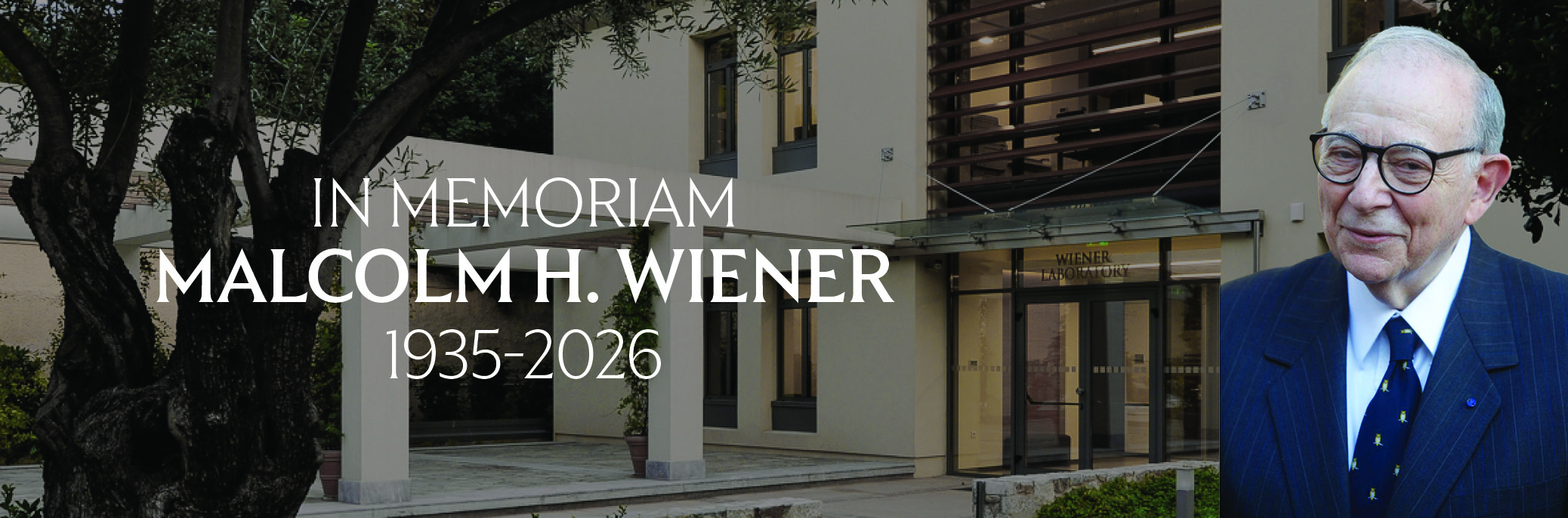
Malcolm Hewitt Wiener, former Chairman of our Board of Trustees. He was 91 and had been continuously and actively involved with the School for 42 years.
Read More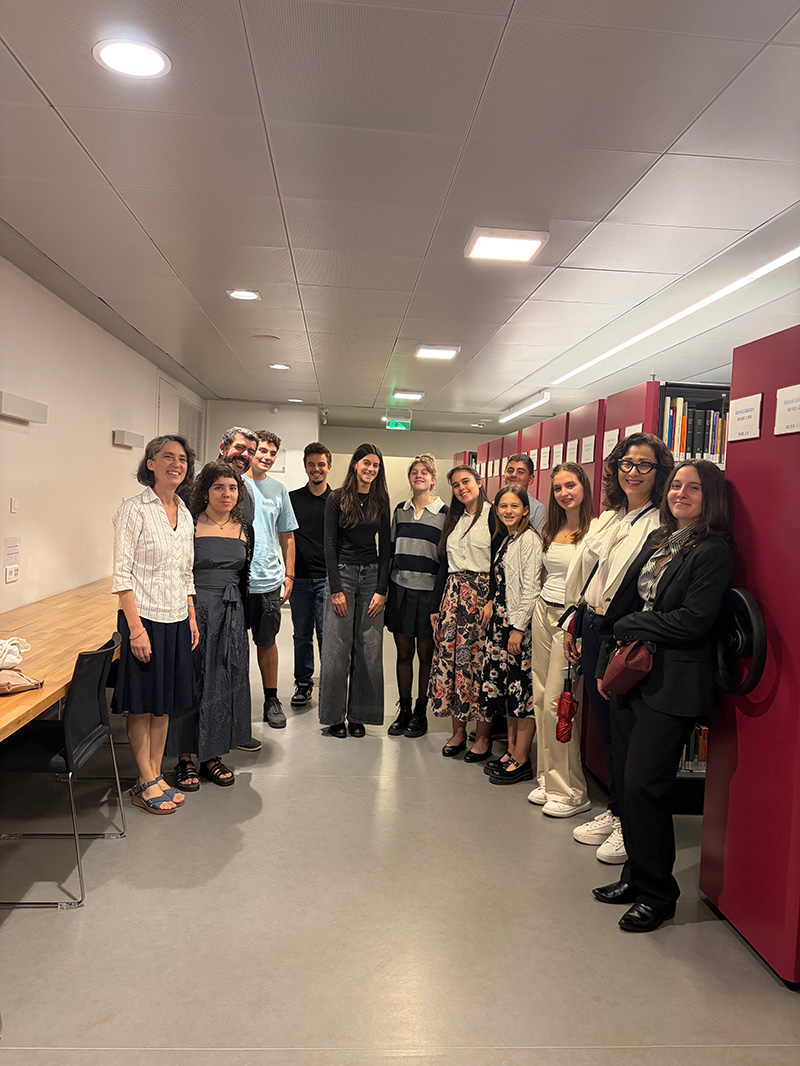
On Saturday, September 26, 2026, the Gennadius Library welcomed students, teachers, families, and friends to the awards ceremony of “The Place Where I Am From” (Ο Τόπος μου), a student competition organized to mark the Library’s centenary and held under the auspices of the Ministry of Education, Religious Affairs and Sports.
Read More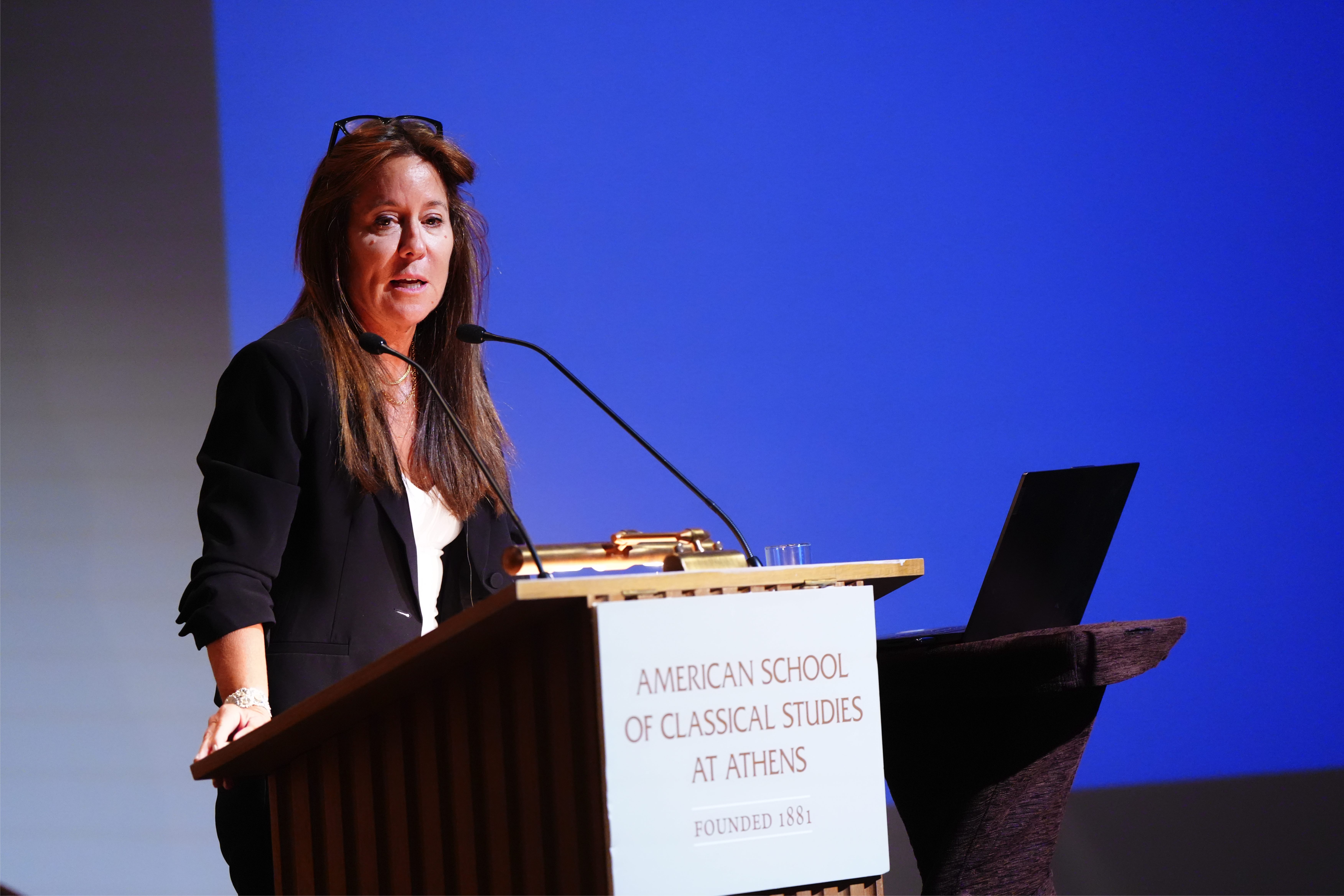
On the evening of October 6, Cotsen Hall was full and humming with anticipation as Katherine E. Fleming rose to deliver the final lecture of the 2025/2026 Thalia Potamianos Lecture Series. With Cotsen Hall at capacity, an overflow audience gathered in the Main Reading Room of the Gennadius Library, while more than 2,000 people joined online, extending the evening well beyond the walls of the American School.
Read More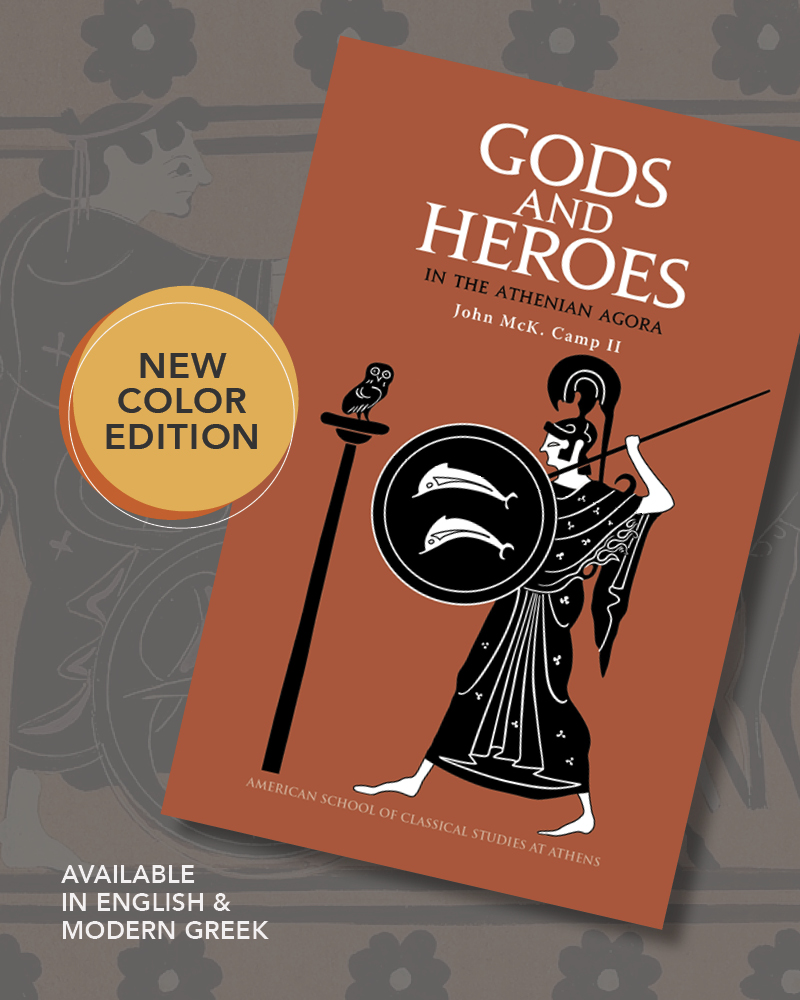
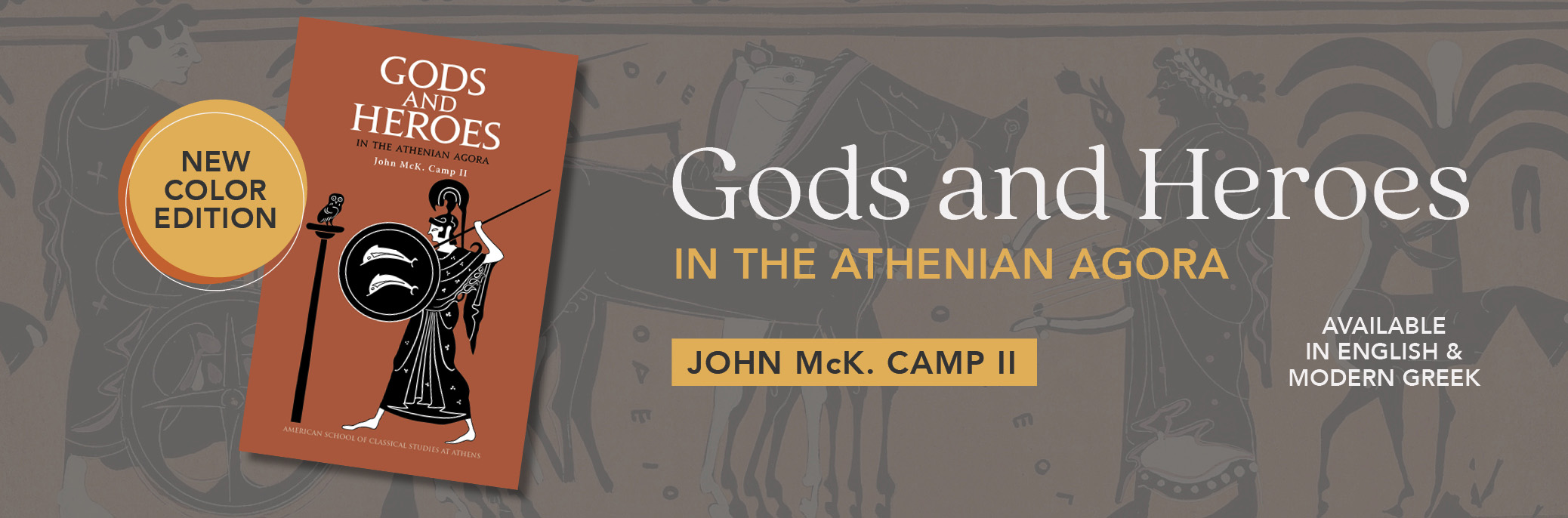
The American School of Classical Studies at Athens is pleased to announce the publication of a new edition of Gods and Heroes in the Athenian Agora, by John McK. Camp II.
Read More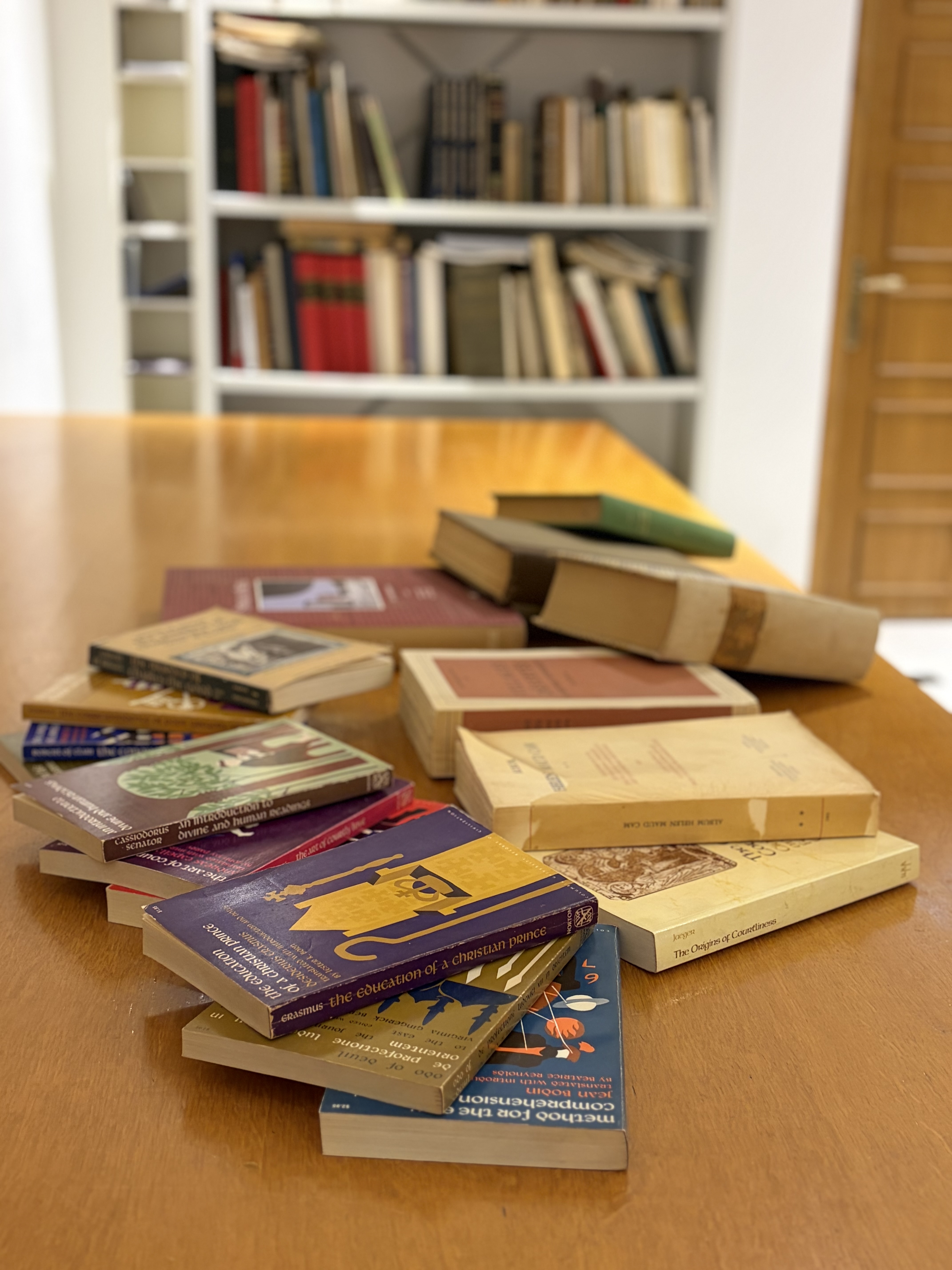
The Gennadius Library is delighted to announce the generous donation of the personal library of distinguished historian Professor Anthony Molho. 6470 books have so far been deposited at the GL. In the near future, another 600 or more will be added to the collection.
Read More
"Looking at a map of Greece before and after the Regular Member program is the difference between looking at a poem before and after learning the language of its composition. What you see doesn’t change, but the difference in understanding is monumental.”
"My experience here resulted in a dissertation idea that will most likely shape my academic career, and it is a topic that would have never occurred to me had I not participated in the ASCSA program.”
"I use what I learned about history, archaeology, and topography in my teaching every day. The connections I made with archaeologists, historians, and philologists have helped me in my professional endeavors and were crucial to my employment success.”
"The program's greatest strength is the breadth of art, archaeology, material culture that is covered in the course of the regular year. This institution provides the student with exposure to the ancient world; it is truly without peer.”
"[The Gennadius Library Summer Session] is the best-organized summer program that I have ever attended! It is also professionally the most useful one. The variety of texts and topics covered serves as a warrant that every participant will get fresh ideas for their research. The practical skills that are acquired in a single month might well match a year of regular educational programs.”