Writing a New History of Carthage
Presented By
The American School of Classical Studies at Athens
Speaker(s)
Denise Demetriou
University of California San Diego
Elizabeth A. Whitehead Distinguished Scholar
Location
Cotsen Hall, Hybrid Lecture, Anapiron Polemou 9, Kolonaki 10676
About the lecture:
Carthage, renowned as one of the wealthiest and most powerful cities of the ancient Mediterranean—and remembered chiefly as Rome’s fierce rival—has long been studied through the lens of the Punic Wars. What new perspectives emerge when we consider its history within a broader, longer Mediterranean context? This lecture draws on my current book project, a new history of Carthage from its foundation in the ninth century BCE to its destruction by the Arabs in the ninth century CE. I begin by addressing the challenges of reconstructing Carthaginian history, given that surviving literary sources are largely hostile and most material evidence dates from the Roman period. I then turn to understudied aspects of Carthaginian society, particularly its cosmopolitanism in the sixth to fourth centuries BCE. By examining Carthage’s diverse population, its ties to west-central Italy, and its mid-sixth-century dominance in Mediterranean trade and diplomacy, I aim to illuminate Carthage as a thriving, interconnected hub rather than merely Rome’s defeated adversary.
About the speaker: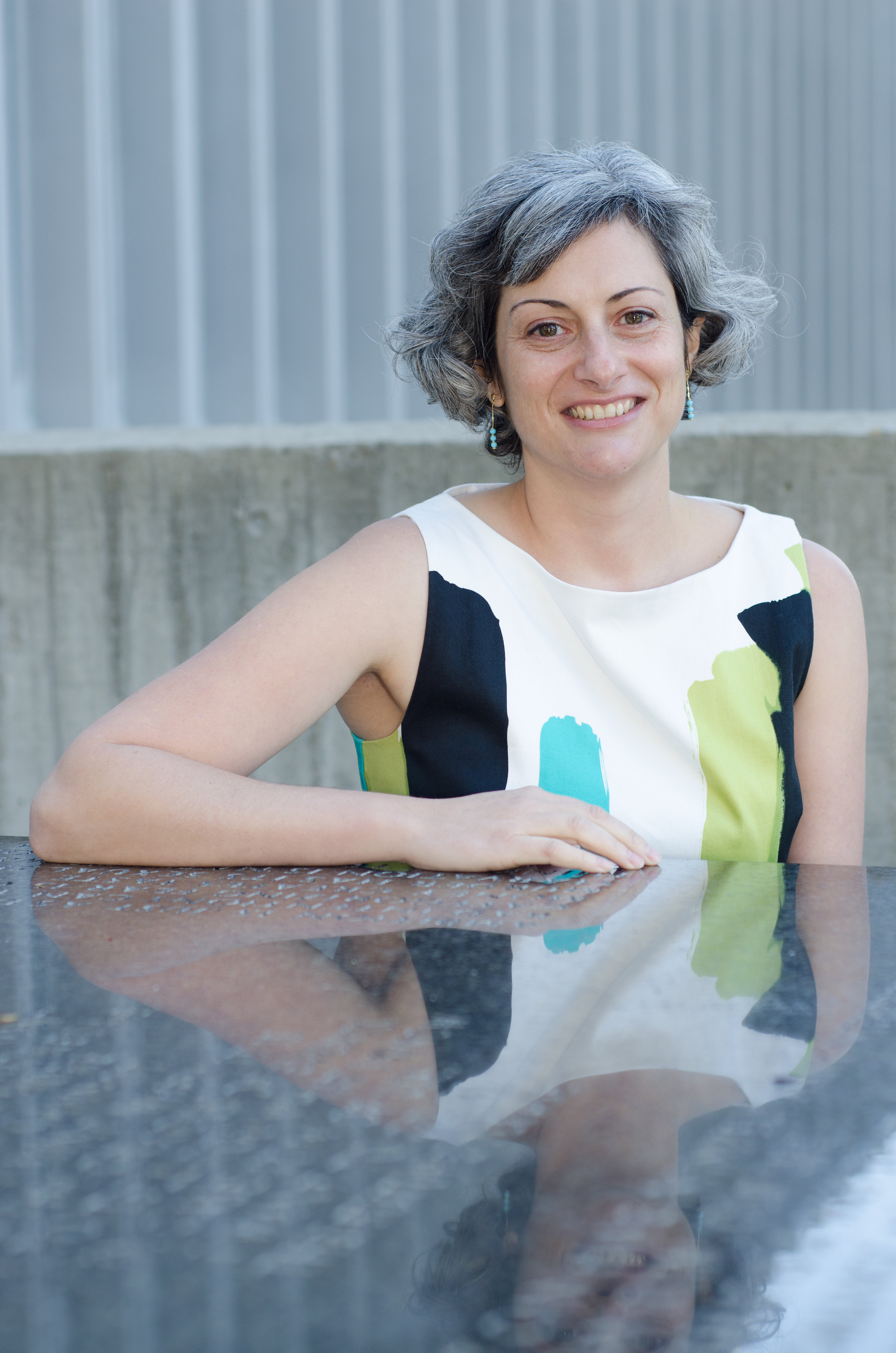
Denise Demetriou is the Gerry and Jeannie Ranglas Professor of Ancient History at the University of California, San Diego, where she has also served as Director of UC San Diego’s Center for Hellenic Studies. She is the author of Negotiating Identity in the Ancient Mediterranean and, more recently, Phoenicians among Others: Why Migrants Mattered in the Ancient Mediterranean. Her research explores the interconnected histories of the Mediterranean world, focusing on interactions among Greeks, Phoenicians, Persians, and other communities that shaped the region’s cultural and political landscapes. This year, she is the Elizabeth A. Whitehead Distinguished Scholar at the American School of Classical Studies at Athens.