Classics Revived: Beloved Agora Picture Books Get New Life
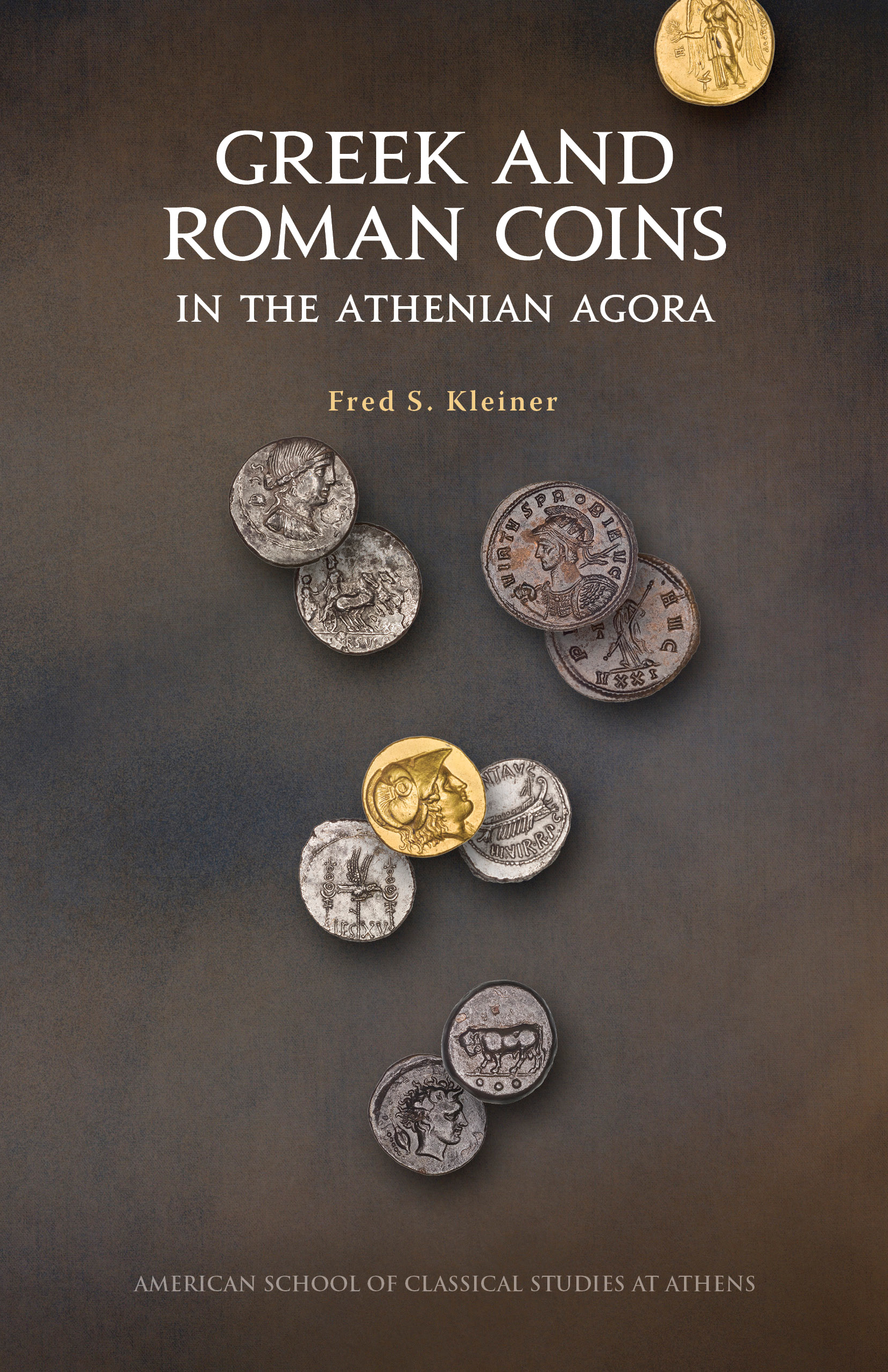
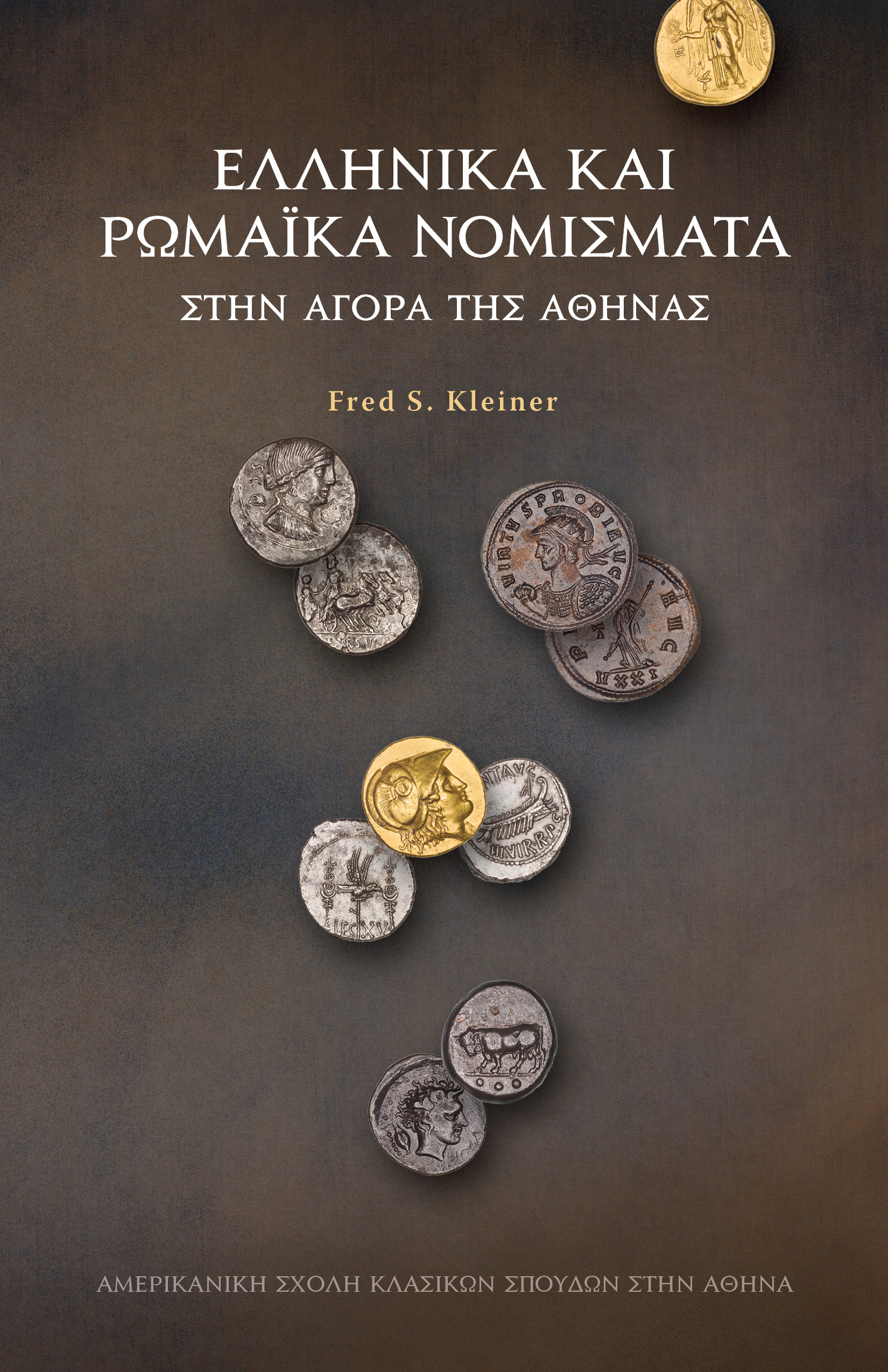
Initially launched in 1959, the Agora Picture Book series offers a captivating view of the Athenian Agora, one of the most important archaeological sites in Greece. Centered around a distinct theme, each volume explores the fascinating objects and monuments uncovered at the heart of ancient Athens, revealing the city’s rich history and illuminating the daily life of its residents. With a focus on visual storytelling, these concise yet informative booklets are perfect for readers of all ages, combining vivid imagery with historical context to bring the ancient world to life. ASCSA Publications has instituted an exciting initiative to reissue every volume in this important series in an updated, full-color edition and modern Greek translation.
 .
. 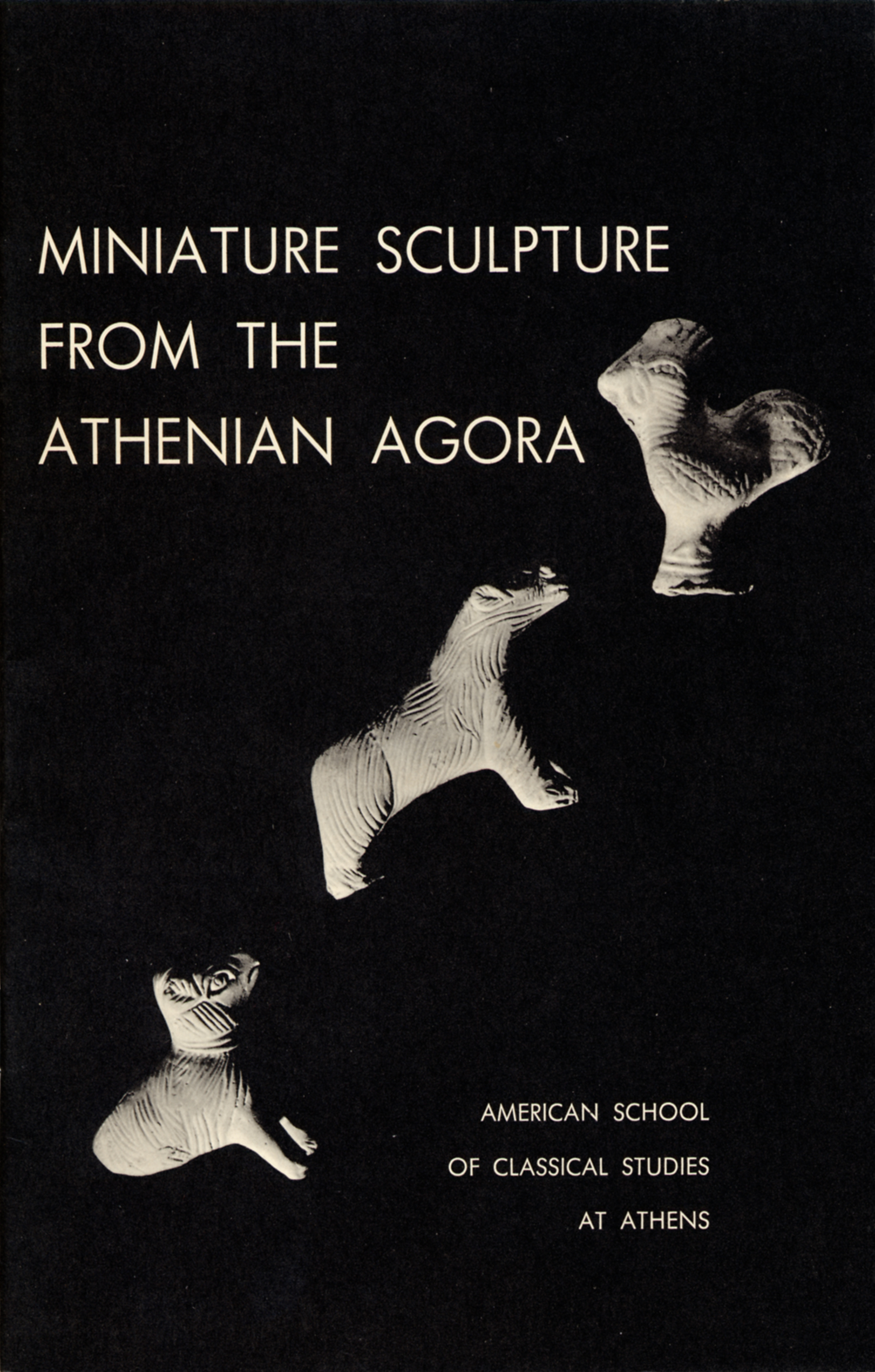
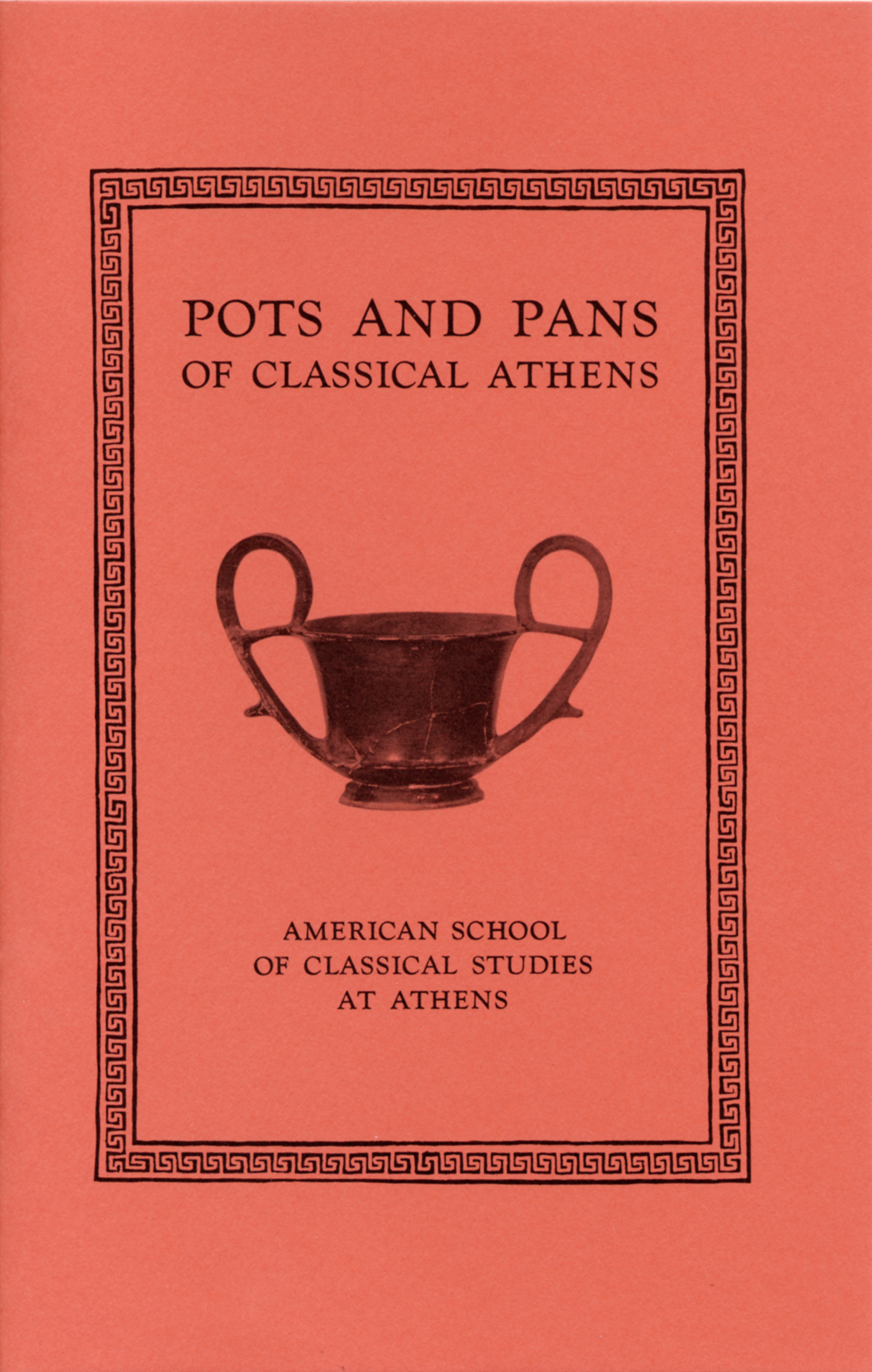
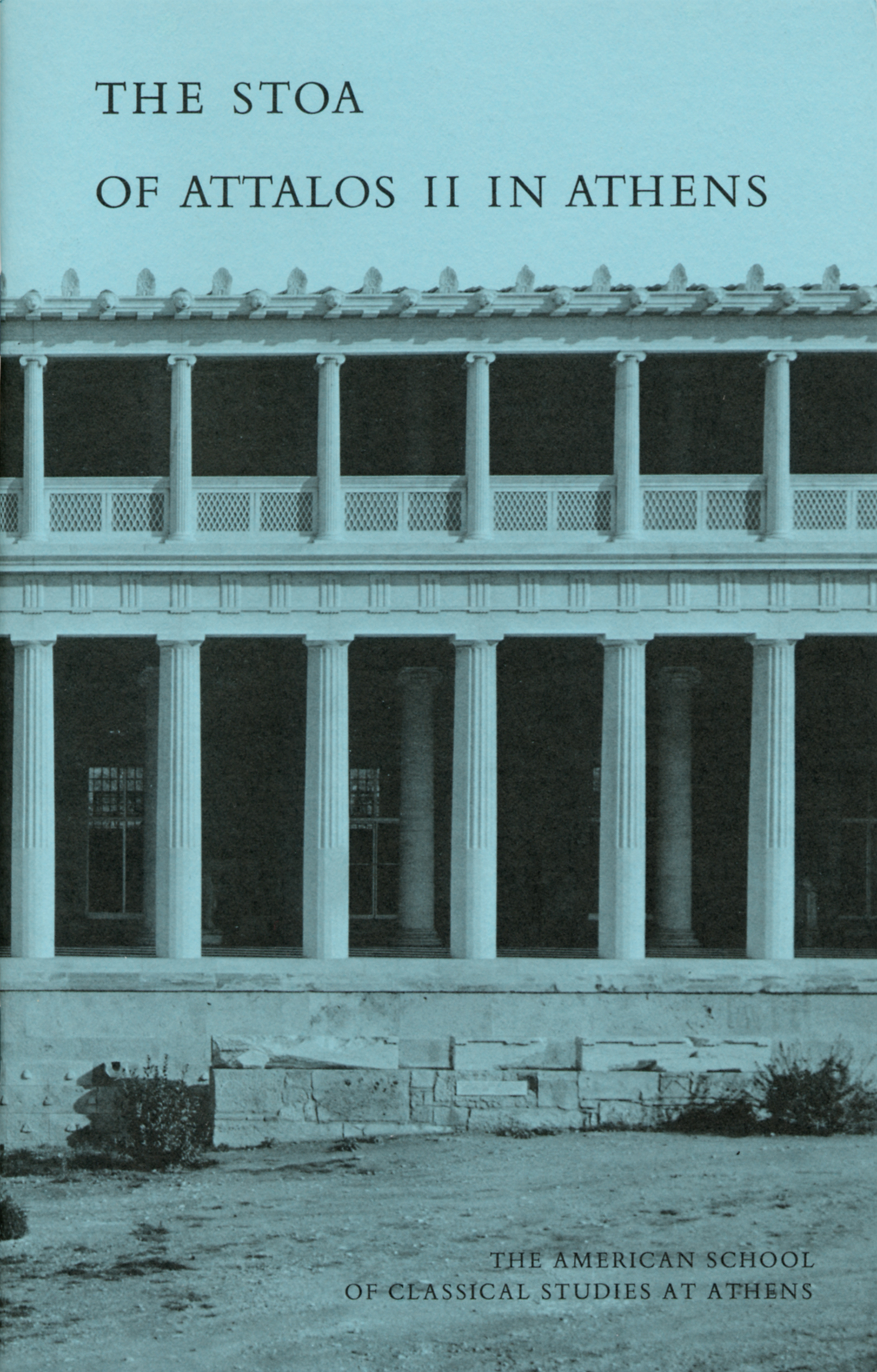
Agora Picture Books 1–3, first published in 1959
In the late 1950s, the ASCSA recognized an urgent need to communicate the results of the Agora excavations to a broad public audience. To address this issue, the Publications Office established a new series of heavily illustrated, 32-page booklets that were sold at the incredibly reasonable price of $0.50 (and still made a profit!). Kicking off this new series was Pots and Pans of Classical Athens, by Brian A. Sparkes and Lucy Talcott, followed quickly by The Stoa of Attalos II in Athens, by Homer A. Thompson, and Miniature Sculpture from the Athenian Agora, by Dorothy B. Thompson. At the time, these publications were the ASCSA’s sole money-making activity. More importantly, however, they brought the excitement of the Agora excavations to students, tourists, and the interested public. Now comprising 28 volumes, the series encompasses a wide range of topics, including specific types of finds (sculpture, lamps, inscriptions, coins), broad themes (democracy, litigation, the gods), and even members of the animal kingdom (birds, horses, dogs). Although the price has gone up slightly since the 1950s—though is still a spectacular bargain—the Agora Picture Books continue to serve as engaging and accessible introductions to ancient Greece and the Agora.
The Agora Picture Books have long been among the most popular titles published by the ASCSA, with the Agora Museum shop selling thousands of copies annually. Over the years, select titles have been published in color and in modern Greek, but the Publications Office recently embarked on a project to produce new color editions and Greek translations of all the books in this series. This multiyear project provides the opportunity to update the texts with the latest research and discoveries, and to replace black-and-white photographs with vibrant, and often new, color images. With a fresh look for a 21st-century audience, these publications will ensure the treasures of the Athenian Agora captivate an entirely new generation of students and visitors.
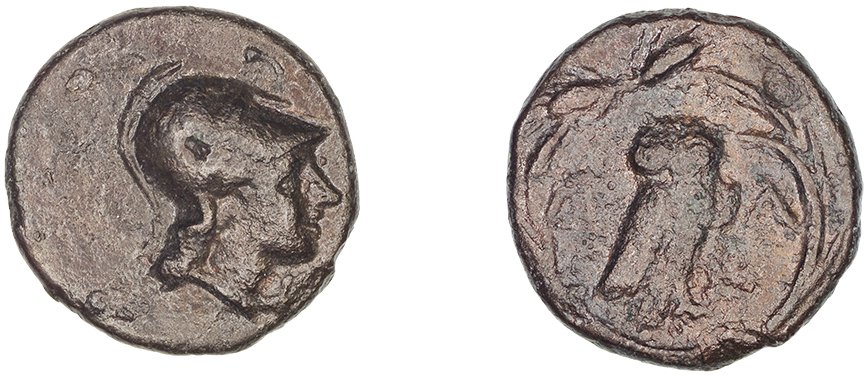
Athenian bronze coin bearing Athena and her owl, 3rd century BCE. Agora N 32188. (Photos C. A. Mauzy)
Inaugurating this exciting revival of the Agora Picture Book series is Fred S. Kleiner’s Greek and Roman Coins in the Athenian Agora (Agora Picture Book 15). More than 75,000 coins, dating from the 6th century BCE to the present day, have been found during the Agora excavations. In this book, Kleiner provides a clear and detailed primer on the ancient coins held in the Agora’s collection. Most of the Agora coins are common bronze issues, primarily minted in Athens. Bronze coinage was a relatively late development in the Greek world, becoming commonplace only in the late 4th century BCE. Early Athenian bronze coins typically featured a helmeted Athena on the obverse (front) and the goddess’s characteristic owl on the reverse (back).
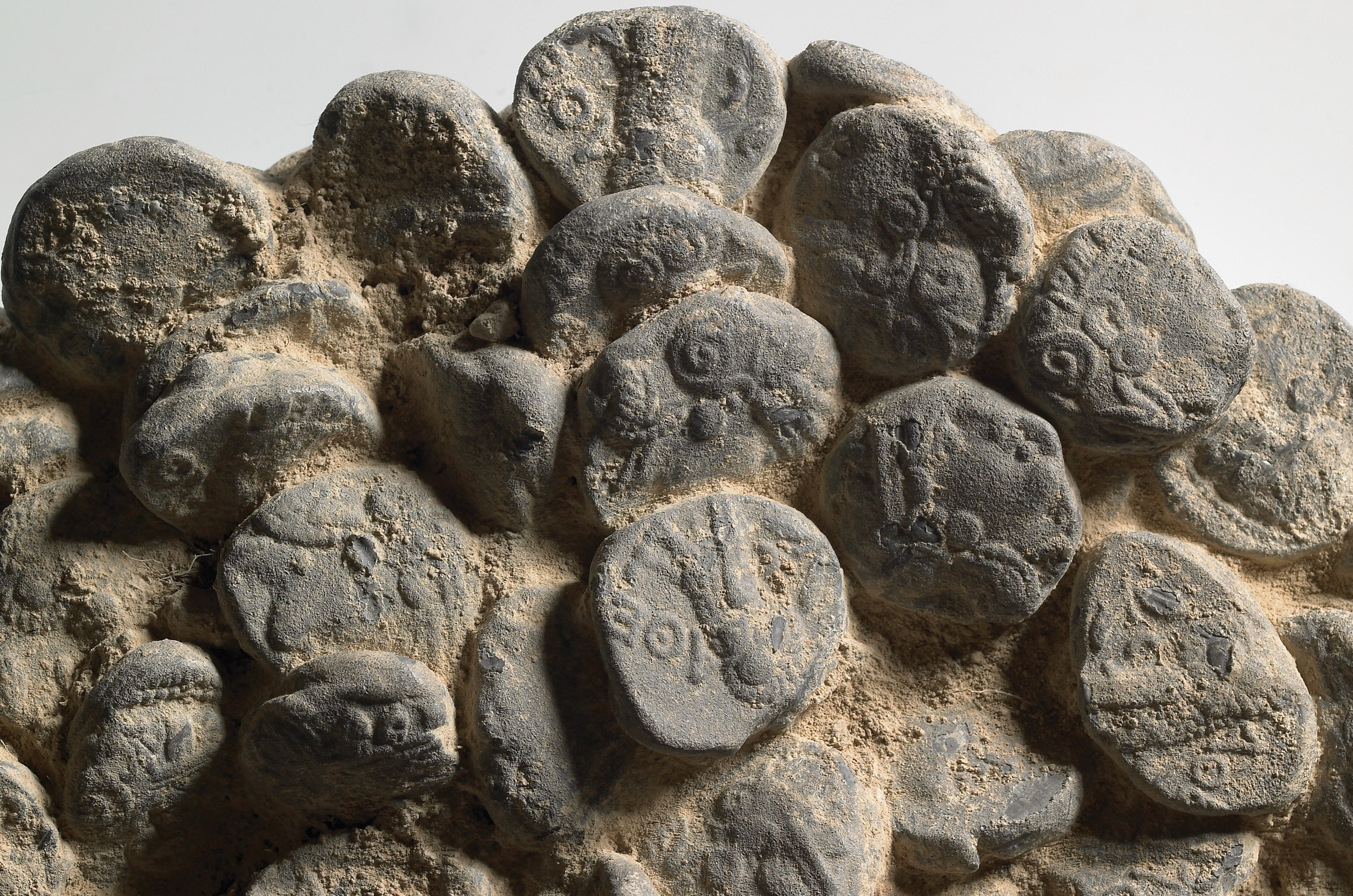
Hoard of Athenian silver coins bearing Athena and her owl, before cleaning and conservation. Agora deposit F 13:4. (Photo C. A. Mauzy)
Despite the modest denominations of these bronze coins, scholars today value them highly because, as Kleiner explains, “they provide the best possible window into everyday commerce in an ancient Greek or Roman city.” Low-denomination bronzes were the coins used by people from all walks of life in their day-to-day routines. Just as dropping a penny today rarely evokes a frantic search for the lost currency, so too in antiquity were people less likely to hunt down a misplaced bronze coin than a gold or silver piece. As a result, the Agora’s numismatic collection provides precious insights into the daily commercial interactions that took place in the city’s bustling marketplace.
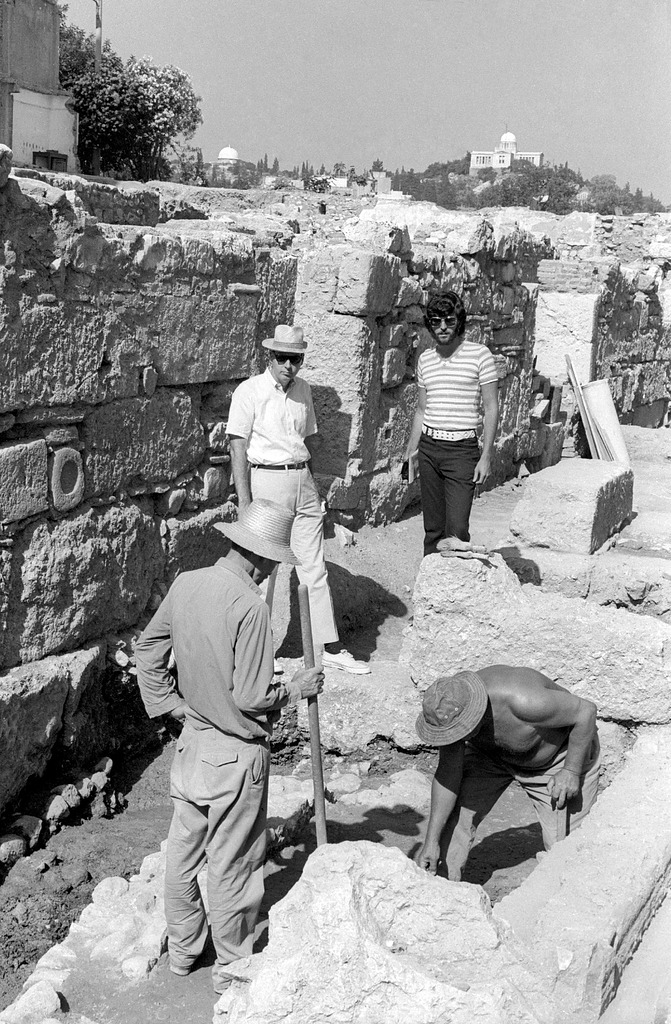
Fred Kleiner (in striped shirt) with field director T. Leslie Shear Jr. (center) during excavations of Section ΡΡ’ in the Athenian Agora, June 1974. (Photo Agora Notebook ΡΡ’-11)
The Athenian bronzes were an early research subject for Kleiner, who studied these coins during a two-year postdoctoral fellowship at the Agora. Assuming the role of Agora numismatist from Jack Kroll in the summer of 1973, Kleiner was responsible for studying and curating the numismatic finds from the ASCSA’s then-40 years of excavations. His research on the Athenian bronzes spawned two articles published in Hesperia in 1975 and 1976, but he also quickly noticed a glaring omission in the public presentation of the excavation’s finds. Despite thousands of coins in its robust collection, not a single one was displayed in the Agora Museum, nor had any general publication of the numismatic material appeared. Kleiner was determined to bring this important material into the public spotlight. He mounted the Agora Museum’s first numismatic exhibit and published two Picture Books, Greek and Roman Coins in the Athenian Agora (Agora Picture Book 15) and Mediaeval and Modern Coins in the Athenian Agora (Agora Picture Book 18), to complement the display.
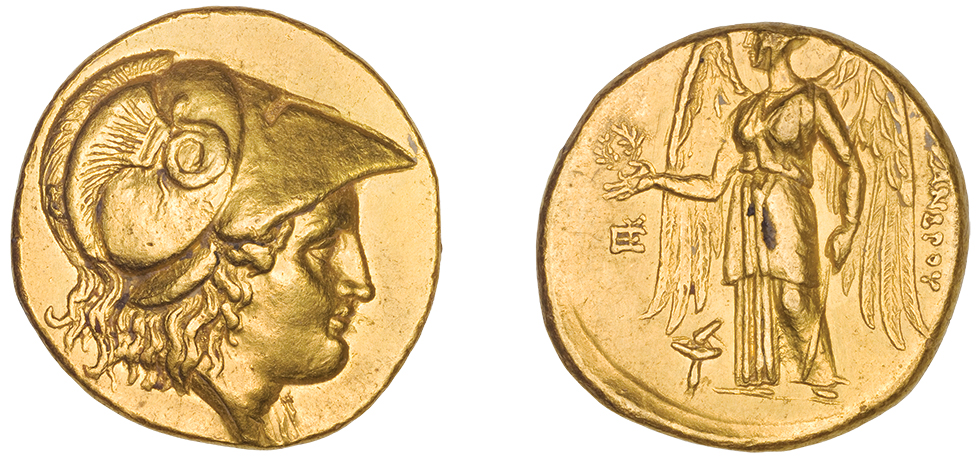
Gold stater of Alexander the Great, ca. 323–319 BCE. Agora N 33946. (Photos C. A. Mauzy)
Although the Agora’s numismatic collection primarily consists of modest Athenian bronze coins, excavators have discovered a few standout pieces over the years. One particularly stunning coin is a gold stater minted by Alexander the Great, who opened new mints in the regions he conquered. The Agora’s gold stater features the helmeted head of Athena on the obverse and Nike (Victory) holding a wreath on the reverse. This coin and others issued by dozens of other cities across the Mediterranean were brought from places far afield by people doing business in the Agora. As Kleiner outlines in his book, these coins help us trace political shifts and commercial exchanges over centuries of Athenian history. They also highlight the regional importance of Athens, as foreigners flocked to the Agora to conduct their business.
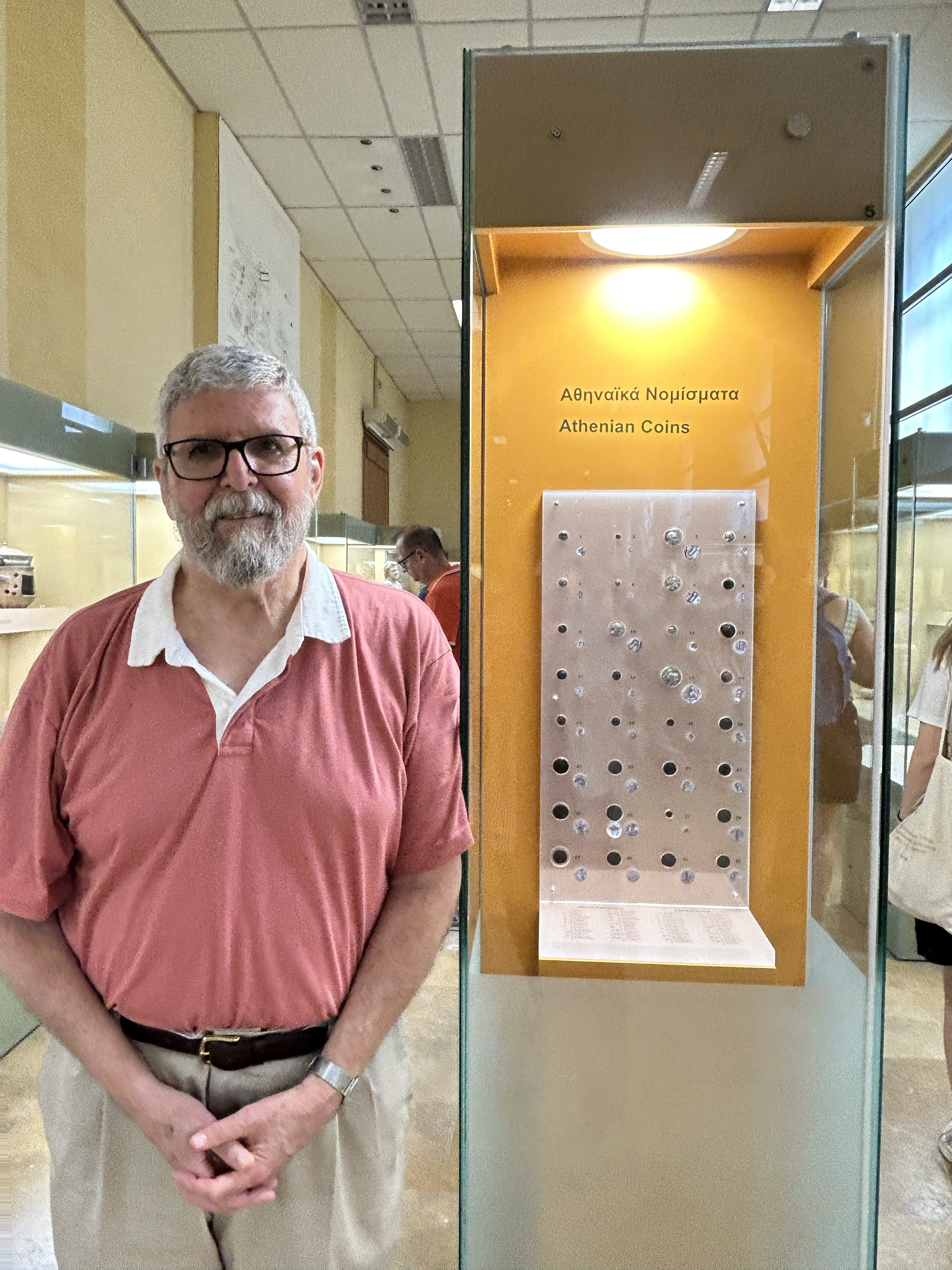
Fred Kleiner with one of the coin displays he created for the Agora Museum, October 2023 (Photo C. A. Mauzy)
In this new edition, the gold stater—and all the other coins—truly sparkle in new color photographs by esteemed Agora photographer Craig Mauzy, which enliven Kleiner’s rich discussion of these notable finds. Both the color images and the accompanying Greek translation broaden the appeal and accessibility of Kleiner’s book, allowing new audiences to explore the remarkable history of the Athenian Agora. Kleiner, who has long championed the Agora Picture Book series as the “leading example of the ASCSA’s outreach efforts,” is excited that his book is the first to bring this important series “back to life.” It is fitting, too, that Kleiner’s book, the product of his own deep commitment to presenting these coins to the broader public, should inaugurate the revival of a series that so proudly exemplifies that mission. Those curious about the rest of the coins in the Agora’s collections will be delighted to know that he is currently working on updating Mediaeval and Modern Coins in the Athenian Agora for its bilingual revised edition. In the meantime, watch out for new editions of Gods and Heroes in the Athenian Agora (Agora Picture Book 19) and Ancient Athenian Building Methods (Agora Picture Book 21) in the coming months as the revival of the series continues!
Both editions of Greek and Roman Coins in the Athenian Agora (Agora Picture Book 15) can be ordered from our distribution partner, ISD.