The Anthony Molho Collection at the Gennadius Library
The Gennadius Library is delighted to announce the generous donation of the personal library of distinguished historian Professor Anthony Molho. 6,470 books have so far been deposited at the Gennadius Library. In the near future, another 600 or more will be added to the collection.
The Anthony Molho Collection represents an important addition to the holdings of the Gennadius Library and significantly strengthens its resources in areas closely connected with Professor Molho’s long scholarly career, including the history of late medieval and early modern Europe, Florence and the Italian Renaissance, early modern Jewish history, the history of the state and political economy, the Mediterranean, diasporas and commercial networks, and historiography.
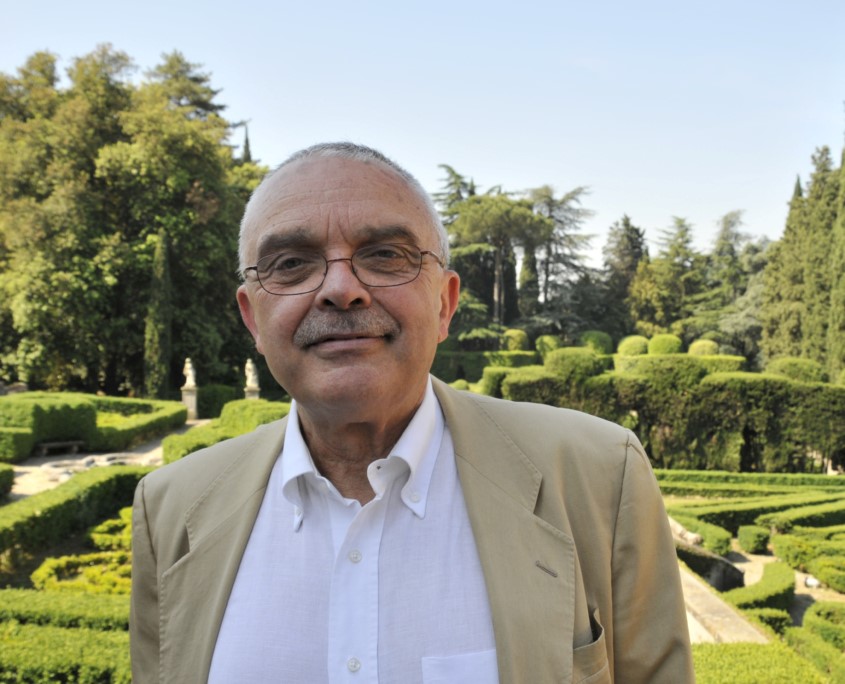
Anthony Molho, born in Thessaloniki in 1939, taught at Brown University from 1966 to 2000, retiring as David Herlihy University Professor and Professor of History Emeritus. From 2001 to 2010, he taught in the Department of History and Civilization at the European University Institute in Florence, where he was subsequently named Professor Emeritus. Over the course of his academic career, he supervised more than thirty doctoral dissertations. In 2010, he was awarded the Premio Internazionale Galileo Galilei in recognition of his scholarly achievements. In 2013, he was elected to the Academia Europaea and has also received honorary degrees from the University of Athens and the University of Crete.
The addition of Professor Molho’s personal library further enriches the Gennadius Library’s collections for the study of the Mediterranean and European worlds. Once catalogued and processed, the collection will be open to readers of the Gennadius Library, making this distinguished scholar’s working library available to new generations of students and researchers.
The Gennadius Library expresses its profound gratitude to Professor Molho for this generous gift and for entrusting his library to an institution where it will continue to support research, teaching, and the advancement of knowledge