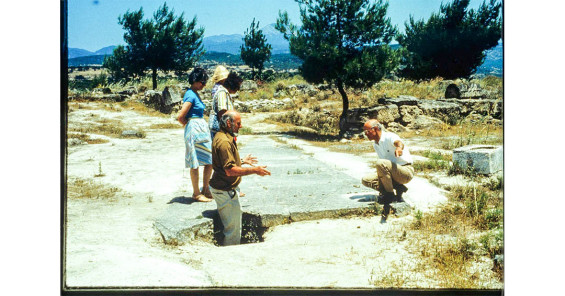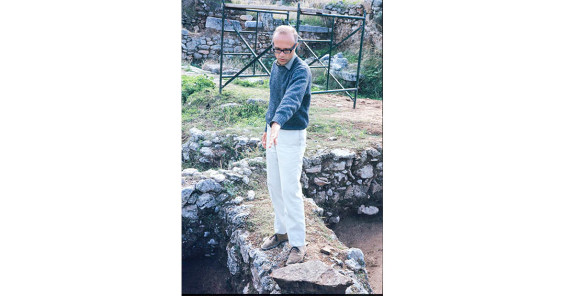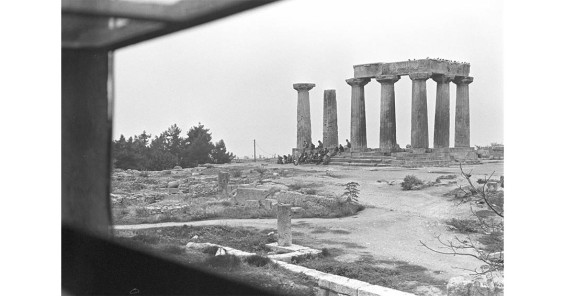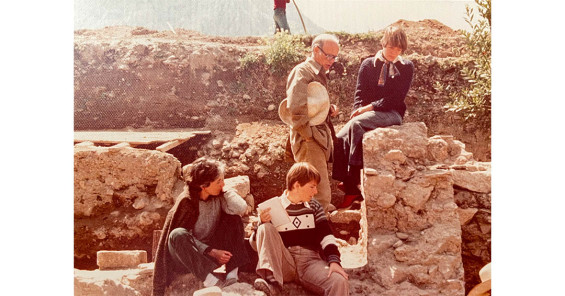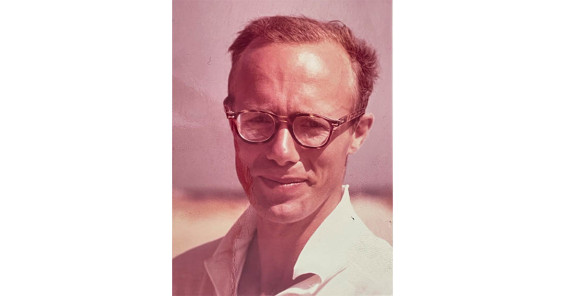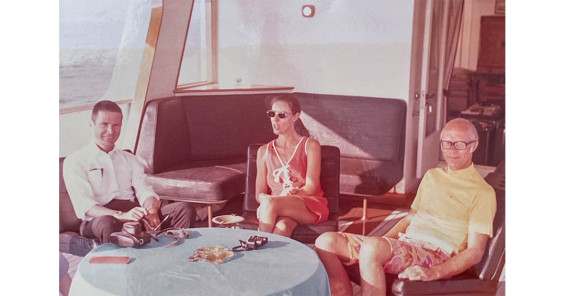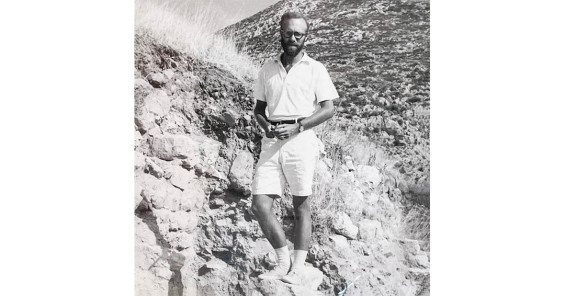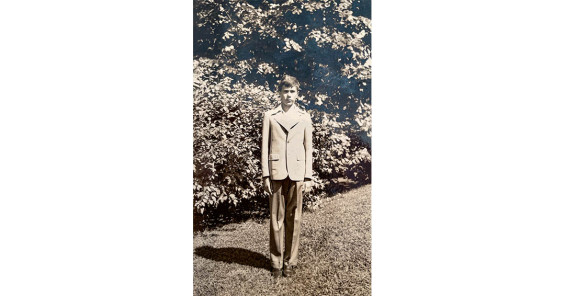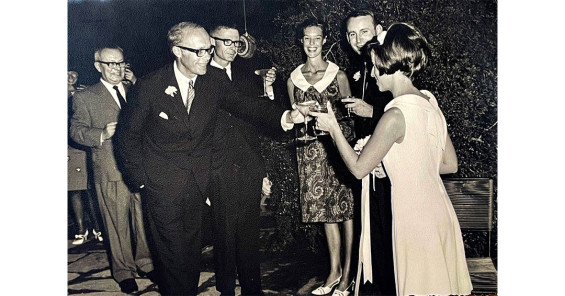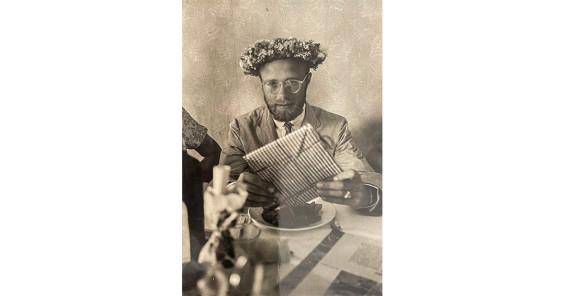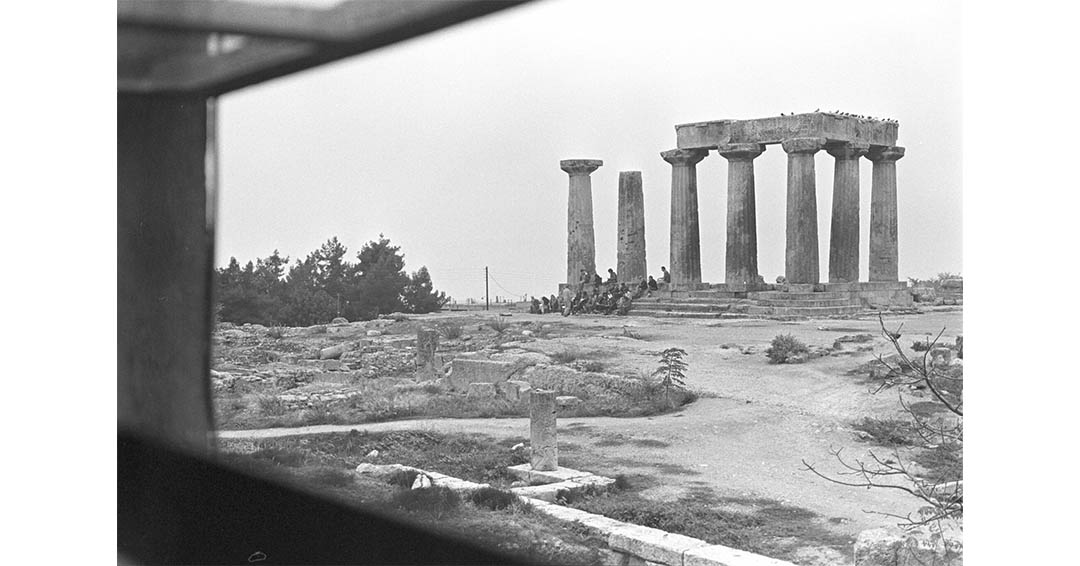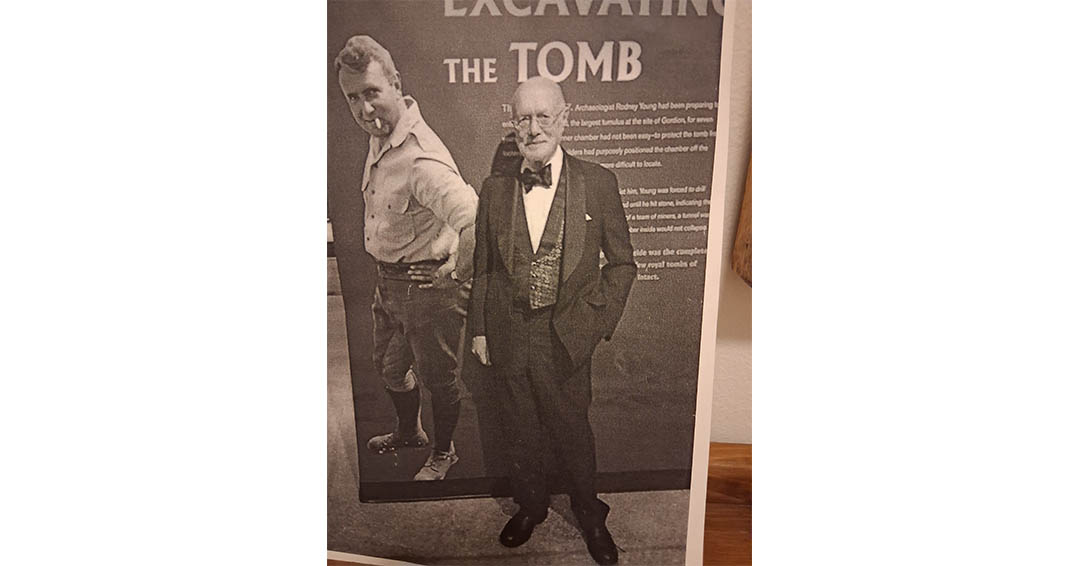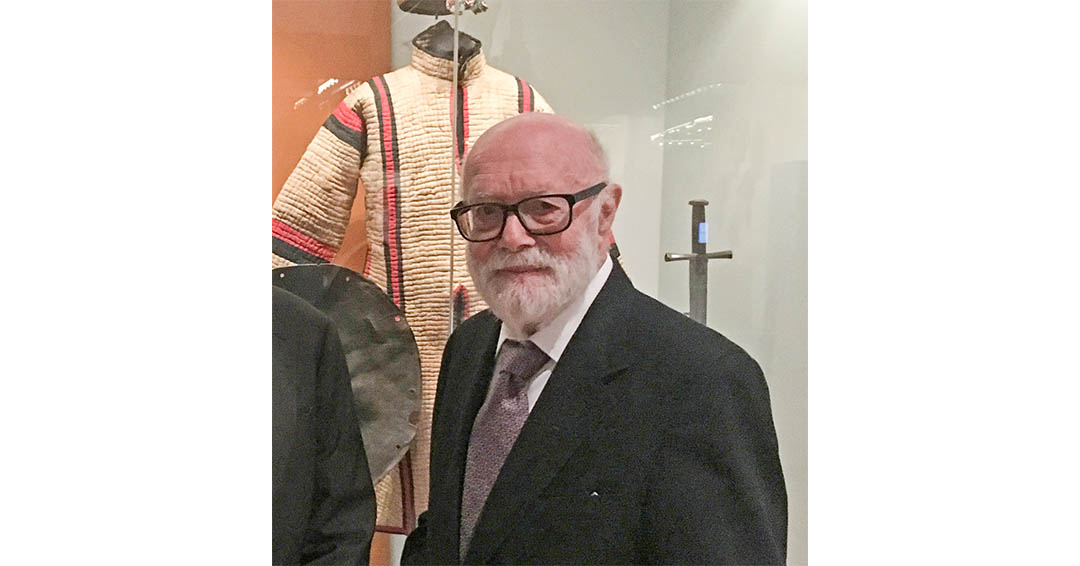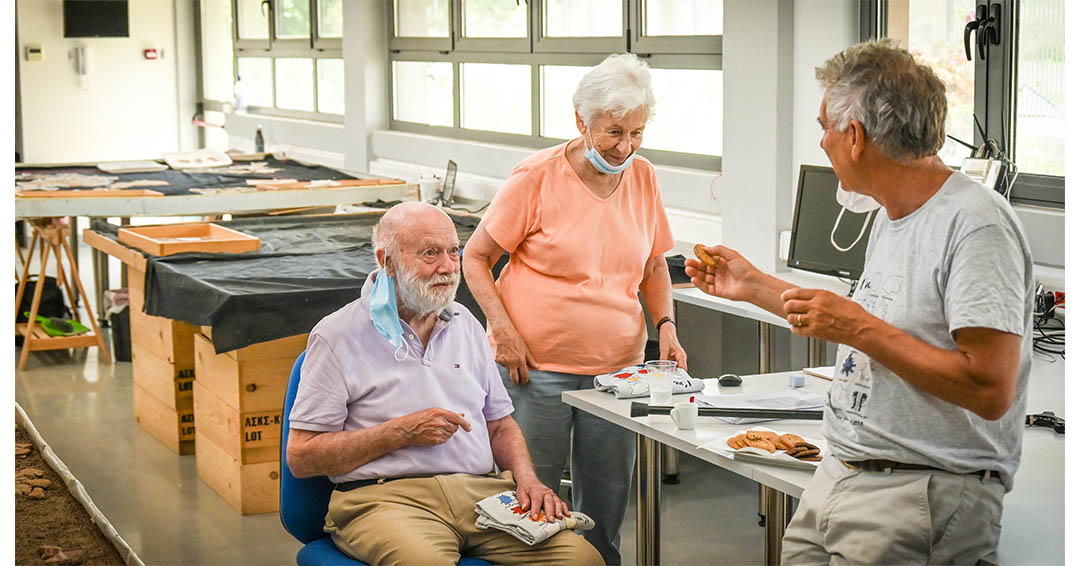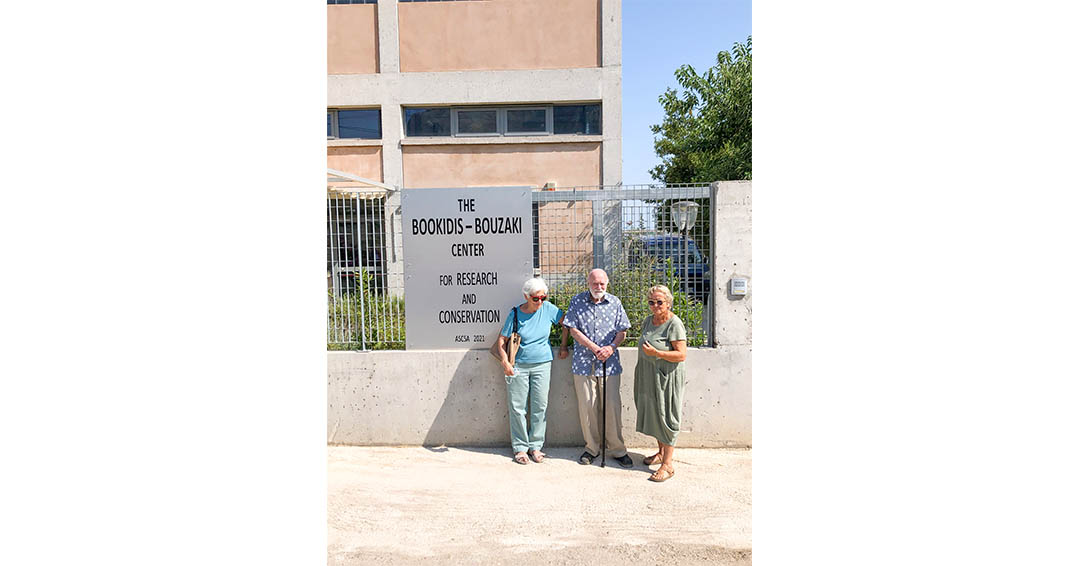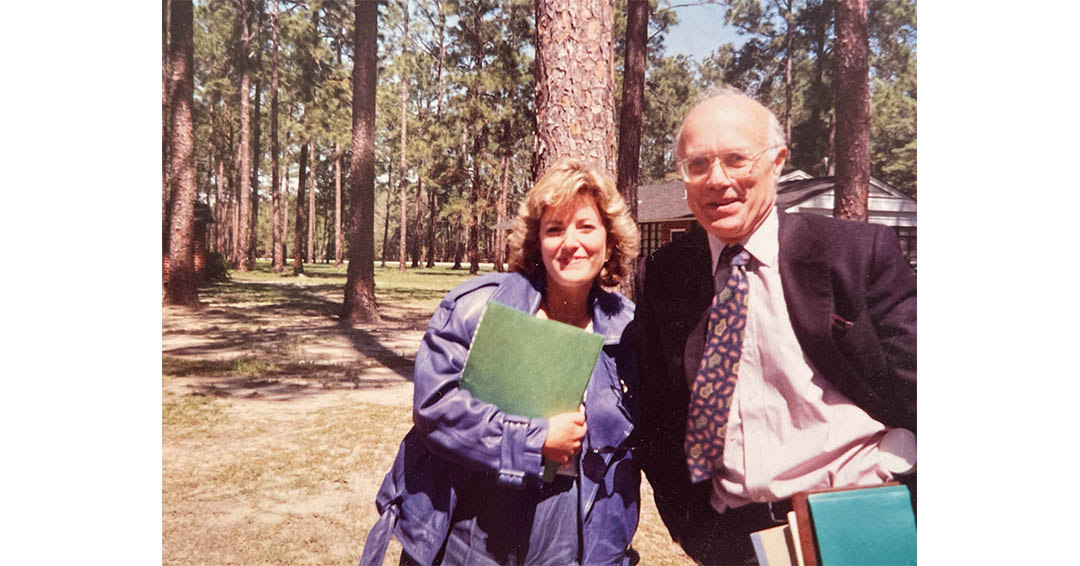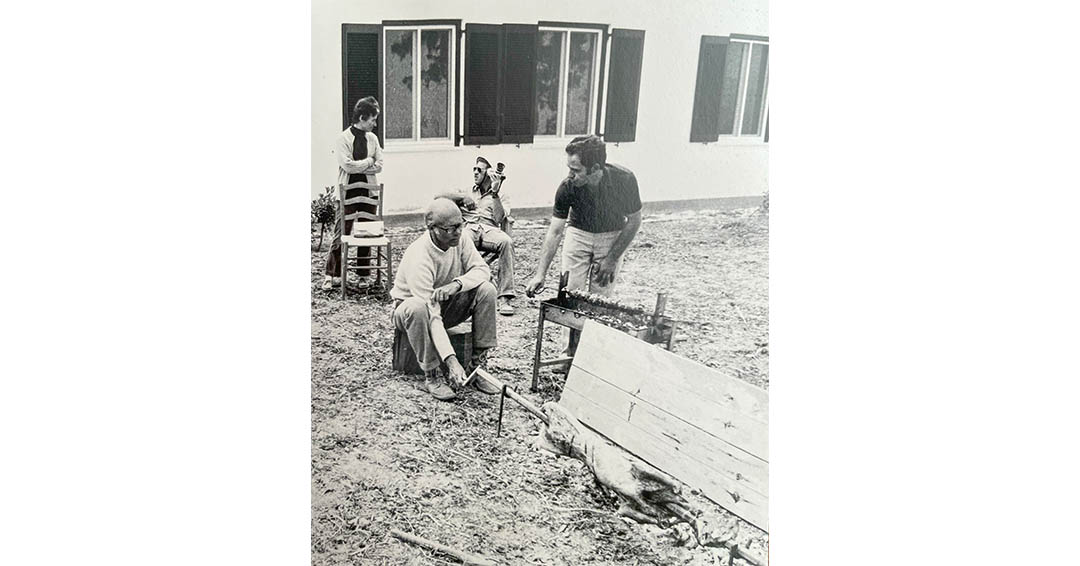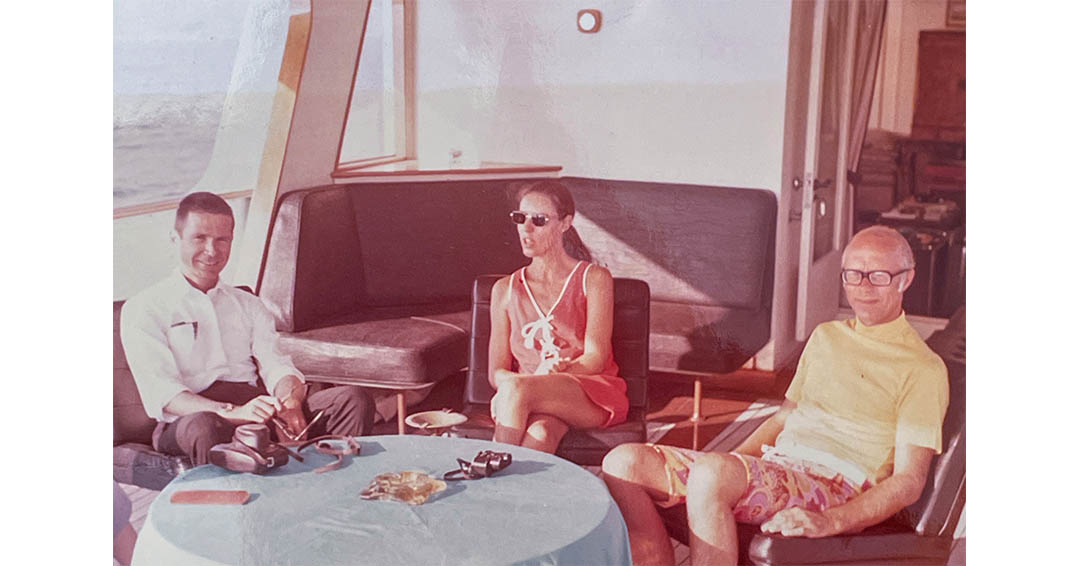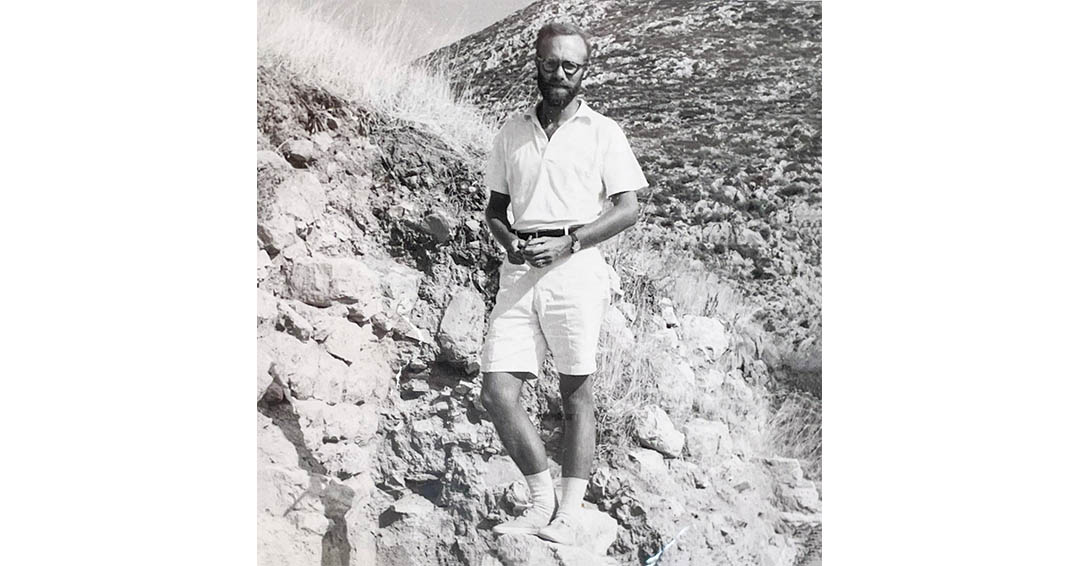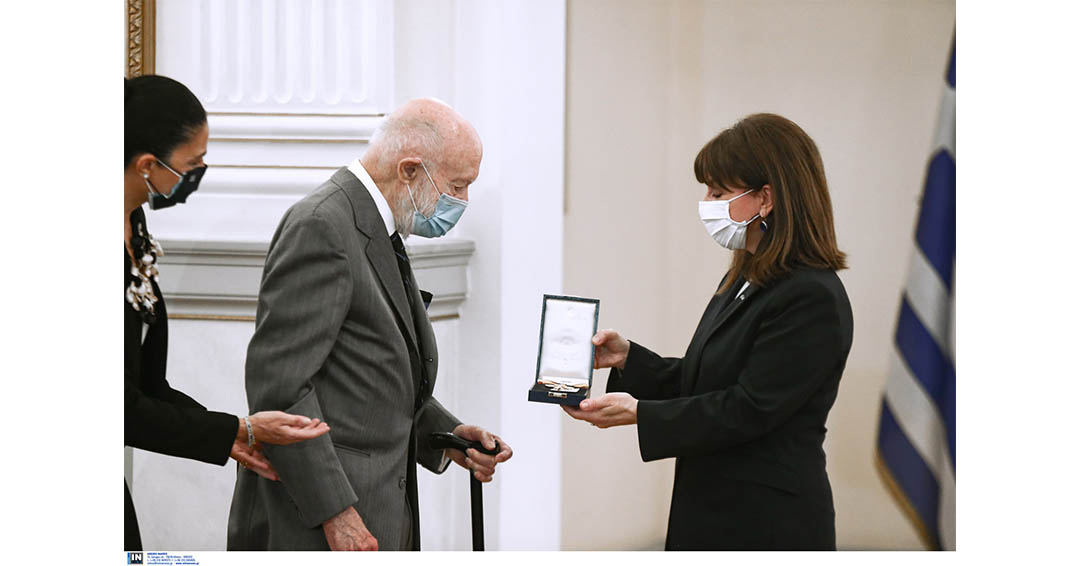
When one looks at Charles’ cursus honorum, there is a longish period between his graduate studies and his PhD. This is deceiving because Charles in essence wrote three dissertations. The first, not intended as such, was given him as a graduate student at Penn with a masters in Architecture from Princeton. He was invited to edit the unpublished manuscript of the late Bert Hodge Hill on the temple of Nemean Zeus, which he accepted. He described being given an old suitcase containing the manuscript. As he lifted the pages, there fell to the floor like confetti endless pieces of paper that had been glued to the sheets as corrections. With time the glue had dried. With no guide as to where the corrections once fit, Charles gave up trying to reconstruct the manuscript. He undertook to study the temple himself, supplementing the drawings by Louis Lord with those by himself.
The title page of the completed volume identifies the author as Bert Hodge Hill, and in smaller print, ‘with contributions by Charles K. Williams II.” The assigned dissertation became his excavation and reconstruction of the xenon building at Nemea, which again he completed. Following Penn requirements, he was doing the final indexing of all three copies in his bedroom at Corinth when the house caught fire. All copies burned up. His third and final venture, entitled “The Cults of Corinth’, covered his excavations of sanctuary sites beneath the Forum of Corinth.
All of this was done while fulfilling the obligation to excavate and do architectural work as Stevens fellow at Corinth. Charles being Charles, he never protested the marginalizing of his work on the temple, simply worked night and day until everything was done. (NBookidis)
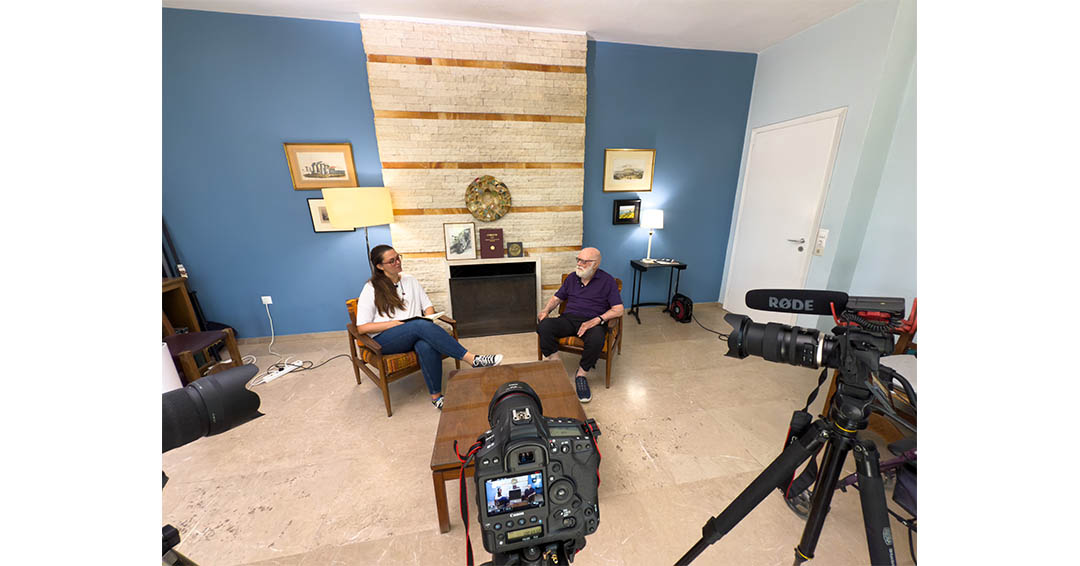
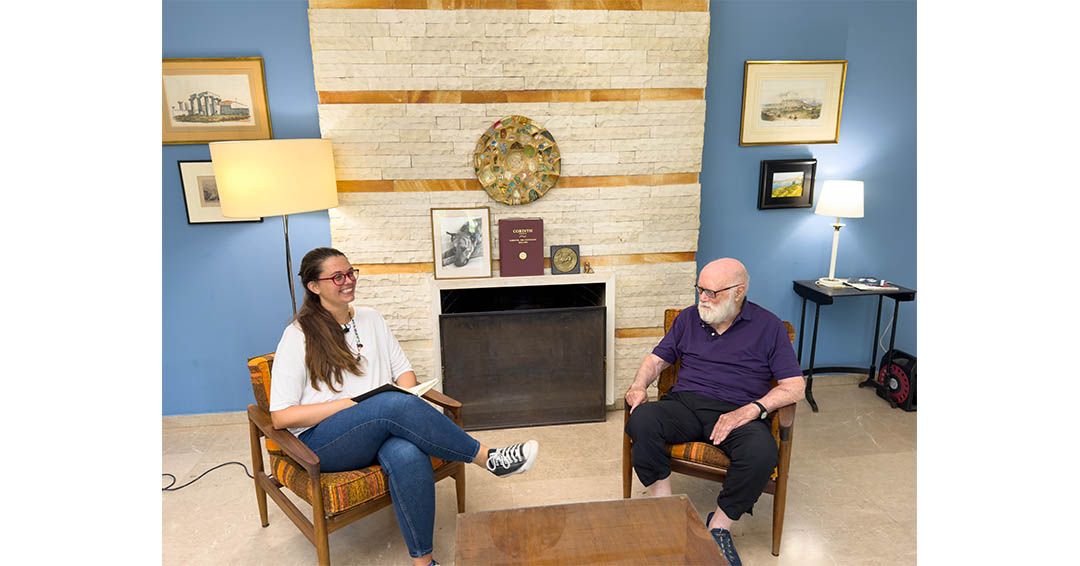
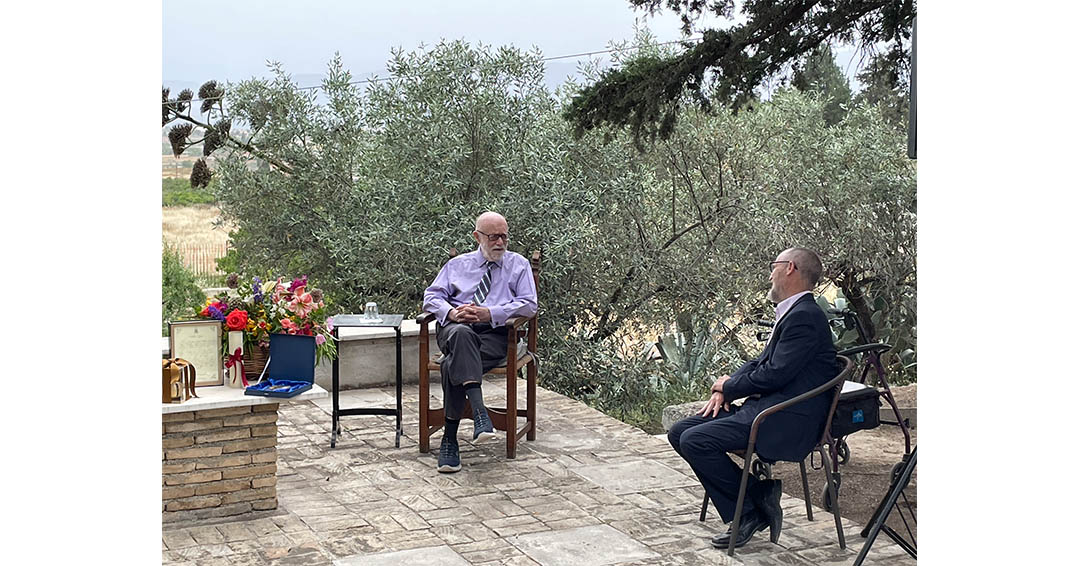
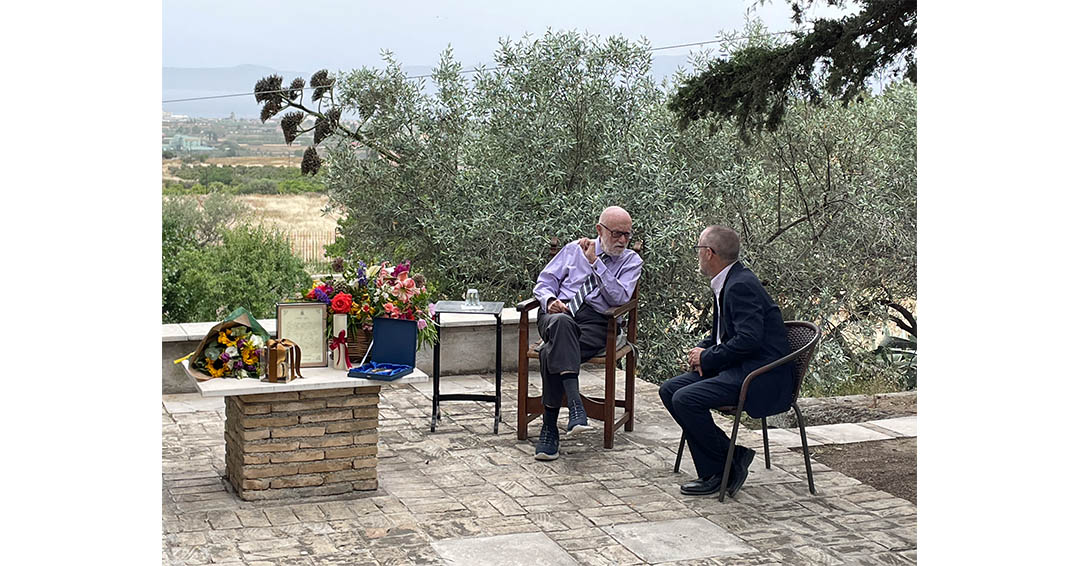
Videos
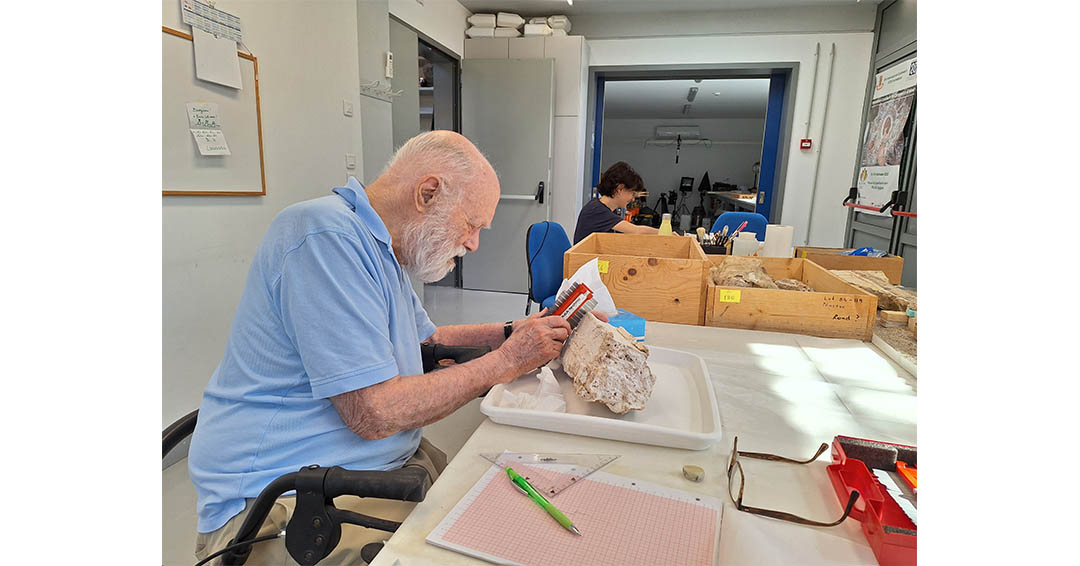
He first arrived at the School in 1962 as a Student Associate Member and then held the Corinth Excavations Fellowship (1963/4), followed by the Gorham Phillips Stevens Fellowship (1964–1966). His association with the School continued until a few months before his death, when he was working on his publication of the Roman frescoes from Corinth and their historical context.
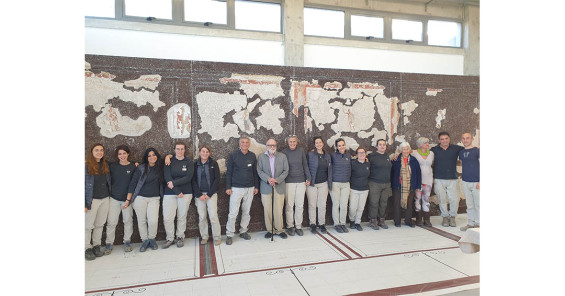
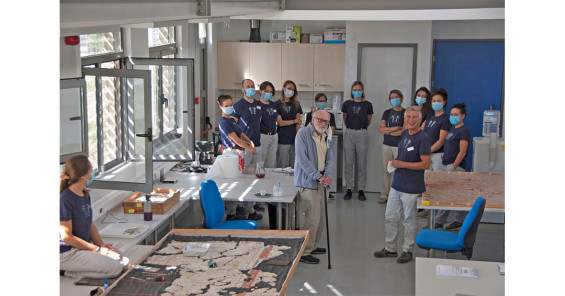
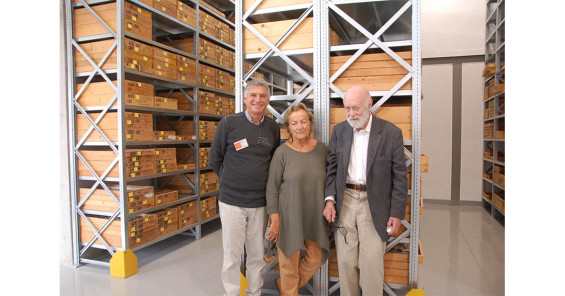
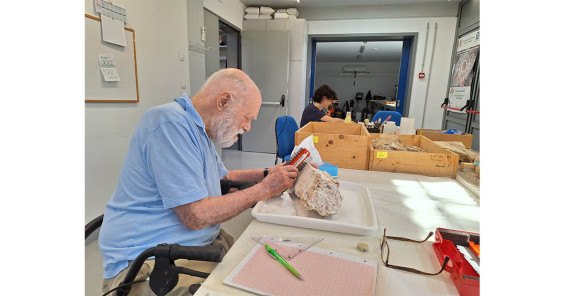
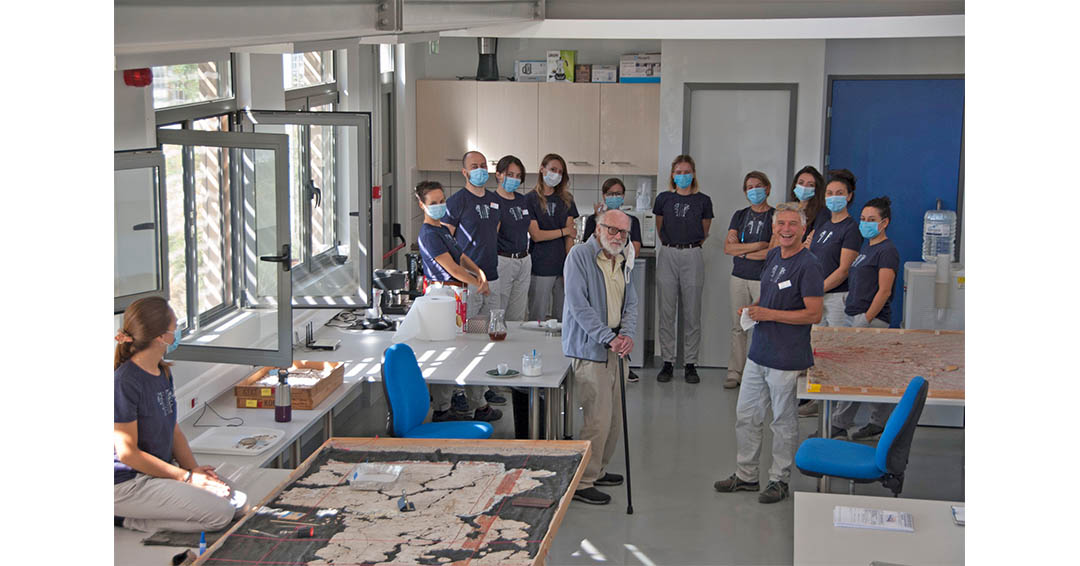
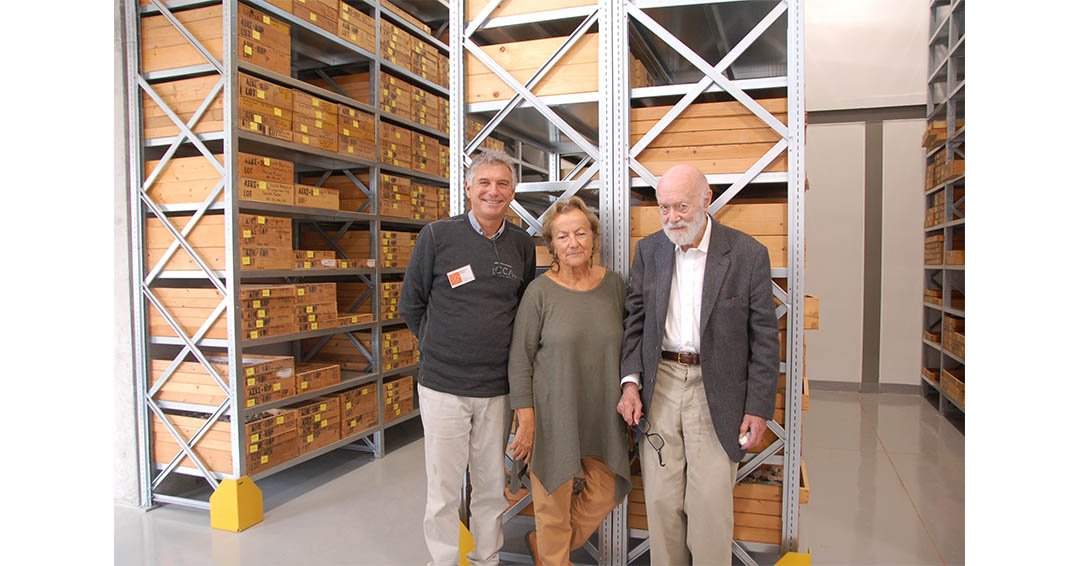
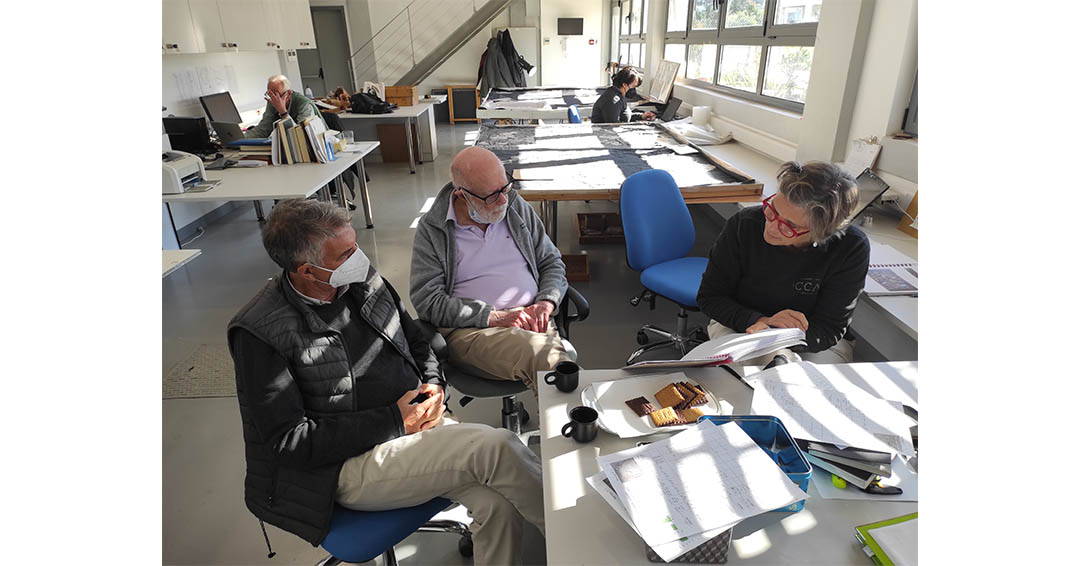
As Director of the Corinth Excavations from 1966 to 1997, Charles explored almost every part of that large and complex site, from the Iron Age to the late Frankish period. Every fall, he led the students of the School on a trip through the Corinthia and Argolid, and in the spring he offered expert training in excavation technique, not only for would-be field archaeologists but also for classicists and ancient historians, so that they too would be able to understand and evaluate archaeological evidence. To more advanced scholars, from all over the world, who were pursuing research at Corinth, he offered a warm and supportive welcome. Finally, he was the major (but almost always anonymous) benefactor of the Corinth Excavations, providing a substantial endowment for the excavations as a whole, individual fellowship support for dozens of students and more advanced scholars, and the three excavation houses, which he himself, as a trained architect, designed. Most recently, he funded the two state-of-the art storage and laboratory buildings, where thousands of Roman fresco fragments that he had excavated decades earlier are now being conserved and reassembled.
Apart from Corinth, Charles took a keen interest in the School’s operations in Athens. In 1997, he joined our Board of Trustees and served as Chairman from 2002 to 2011. His leadership as Chairman of the Master Planning Committee (2007-2012) led to the renovation and expansion of our entire campus in Athens. The School’s Alumnae/i Association honored him with their Aristeia Award in 2016, in recognition of his contributions to the School and its students.
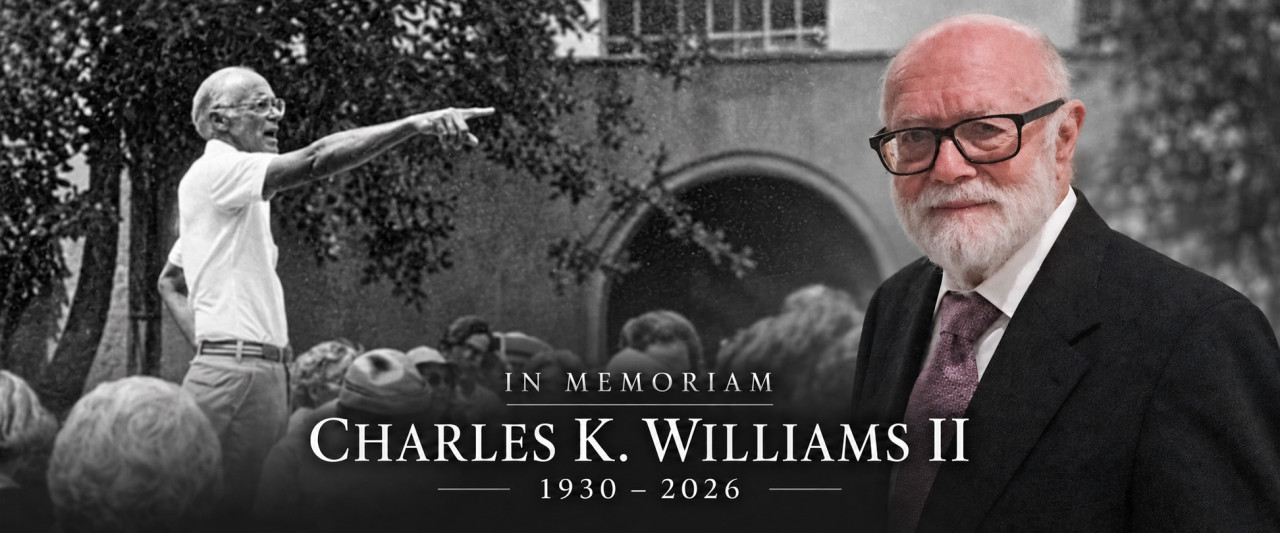
Charles was a modest and intensely private man, always seeking to deflect attention from himself, but the entire School community recognized him as a towering figure, one of the American School's greatest scholars, teachers, and benefactors.
We offer our condolences to his family, friends, and especially to his Corinth colleagues.
William T. Loomis, President of the Trustees
Kathleen M. Lynch, Chair of the Managing Committee
Bonna D. Wescoat, Director of the School
George T. Orfanakos, Executive Director
I had the privilege of knowing the late Dr. Charles Williams, and I am extremely grateful to him for welcoming me warmly to study the Late Antique inscriptions of Corinth in 1986. He was 100% generous in every respect, during the 27 years that I spent (off and on) with him. After having watched me during one afternoon working on a small group of inscriptions, Charles kindly wrote me an excellent letter of recommendation to the Academy of Finland. It sent me on a path to study all the Corinthian inscriptions. I learned very much from Charles, among other things, about the history of the finds and the Excavations. I confess that in Corinth I finally learned my trade as an epigraphist, becoming able to join some fragments. Charles made my time in Corinth (mostly between the late 1980's and the early 1990's) the happiest period of my whole life. I have felt nowhere else so at home and welcome as I did in the cozy atmosphere of the Hill House, meeting numerous fine researchers from many fields of study. Charles was always so inspiring in every way, from the first meeting in the spring of 1986 when he introduced Corinth to the first research team of the Finnish Institute at Athens until my last funny meeting with him in the fall of 2013, when I was finally finishing the main work of my life, the corpus of Late Antique inscriptions of Corinth. Charles had a whole lot of humor, proved through his witty comments. I pick up one example. In November 2013, I was fixing to leave Corinth, standing outside the gate of the Hill House. Charles was coming in, with a set of peculiarly innocent questions.
Charles: Hello, Mr. Surinam! Why are you leaving Corinth?
Erkki: I'm heading for the airport, returning to Finland.
Charles: Oh, didn't you like Corinth? Couldn't you find ANY interesting inscriptions?
Erkki: I do like Corinth, I'm booked and I have got to go. I did find many interesting inscriptions.
Charles: Oh, you prefer the airport, instead of Corinth!
-------------
I treasure Charles' witty sayings forevermore. But he also had a great care for my health. The first winter I developed bronchitis from washing inscriptions in the Old Museum. Charles asked about my condition, and I answered in a mighty hoarse bass voice: Ah'm doin' des' fahn...
To put it short: Without Charles and the friendly staff of the Corinth Excavations, especially the wonderful Assustsnt Director Emerita Nancy Bookidis, I wouldn't be the very happy and lucky man I turned into in Corinth.
Erkki Sironen
Lecturer of Ancient Greek Language and Literature
University of Helsinki
Finland
Farewell, Charles. Thank you so much for the fond memories I have of digging at Corinth in Forum West in the summer 1975 season and for all the lessons I learnt from you as the master excavator, field director, and scholar that you have been for over six decades. I am so grateful to you for introducing water-sieving at Corinth in the 1975 season, as well as for all the lessons in how to dig and record that you passed along then as well as later. Thank you also for inviting me to participate in the Corinth Centennial celebration in the mid-'90's, as well as for giving guest lectures to me with my 10-15 Dartmouth students in tow during spring terms in the '80's and '90's (once I finally had a job and while you were still a very active Director at the site). What a marvelous teacher, mentor, and model you have been for generations of ASCSA students . . . as well as a friend and inspiration for me personally.
Jeremy Rutter
Summer session 1975;
researcher on Demeter Sanctuary and Korakou prehistoric pottery;
periodic visitor to Corinth with Dartmouth Foreign Study group.
When Mary Lou and I reflect on the ways in which Charles Williams has influenced our lives and livelihood we find it difficult to measure how deeply we are indebted to him. As regular members we both were among those selected by Charles to take part in the Corinth excavation season in 1978, giving me a working knowledge of Classical through Byzantine pottery and the experience needed to go on to direct fieldwork in later years (the Skourta Plain Survey and Panakton Excavations on the Attic-Boiotian frontier), and sending Mary Lou (and her assistant, me!) around the western Mediterranean in search of evidence of Corinthian trade and the source of the Punic amphoras that Mary Lou assisted in excavating. The experiences were bonding for the two of us, and Charles' continued support of our fieldwork and study was instrumental in securing our place in academia. Our experience is a small testimony to the breadth of curiosity and vision that animated Charles throughout his career and to which he devoted his wisdom, guidance, and material support, all of which have had a profound impact on the mission of the American School of Classical Studies at Athens--and beyond!
Mark and Mary Lou Munn
Students and beneficiaries of Charles' teaching and sponsorship
I had the honour of meeting Mr Williams during a study visit to Corinth in February 2026 and was deeply touched by his lifelong dedication to Corinth. Very saddened by the news and sending out my condolences to his family and Corinth colleagues.
Leonie Defonteyne
visiting student
Faced with a lack of funding that I needed to undertake my dissertation research, Mr. Williams, through his "anonymous" foundation, provided me with not just one, but two very generous grants that kept me in Corinth conducting the level of research required to complete my project. I recall trying to thank him in person and being promptly shut-down and the subject immediately changed. ... Such was his way, I suppose. Nevertheless, I remain eternally grateful for the generosity he showed to me - I honestly couldn't have finished without him.
Mark D. Hammond
As a British postgraduate researching Roman Greece in the early 1970s I was given a warm welcome by Charles and his colleagues and a hospitable bed at Hill House while I looked at Corinthian inscriptions.
When I found a join, he was prompt, after checking the stones, to reattach them for display in the courtyard of the Corinth museum, where they can still be seen. For a young researcher this was a tremendous fillip. Charles then was goodness itself in finding time to stop off at Tegea and photograph an inscription in a public park there relevant to my eventual publication of the join.
Some years later I was a lecturer on the British School’s then biennial course for UK classics schoolteachers. Charles repeatedly gave up time to guide our group around the site of ancient Corinth: always a popular item on the programme, not least because Charles would humorously refer to the finds of his colleagues in the Agora excavations as if Corinth and Athens were refighting the Peloponnesian War.
Over many decades I don’t think Charles ever addressed me except as ‘Mr Spawforth’ or—a running joke between us—‘Mr Spewforth’.
Years later when I had the good fortune to spend a year at the Institute for Advanced Study in Princeton, Charles was kind enough to drop by my quarters on Olden Lane, show me how to work the coffee machine, somehow unfathomable to this Brit, and then treat me to a slap-up lunch at The Rusty Scupper (a restaurant name not to be forgotten lightly), with much instructive reminiscing of his time at Princeton University.
For me as for so many, Charles was a remarkable person, and in all the best possible ways.
Tony Spawforth
Professor emeritus of ancient history
Newcastle university, UK
In the late 70s, in my teens, I worked during the summer seasons as an excavation worker in Corinth, under the overall guidance and administration of professor Charles Williams. One of those days, as many others, I was chating with one of the American postgraduate students. Suddenly, the professor came and told me "Don't speak to the students in English. I want them to learn Greek". I replied to him, rather with a slight brashness of my youth: "Yes, but i want to improve my English also". For a moment, he looked at me in such a way, that I thought that those were my last minutes in the site! But instead of that, to my suprise, he turn and left saying no more. I believe, that as a truly fair man, he saw that my request was as reasonable as his was. The fact that he respected my will, really impressed me. After all, he was a professor and I was just a teenager worker.
Fotis Nezis
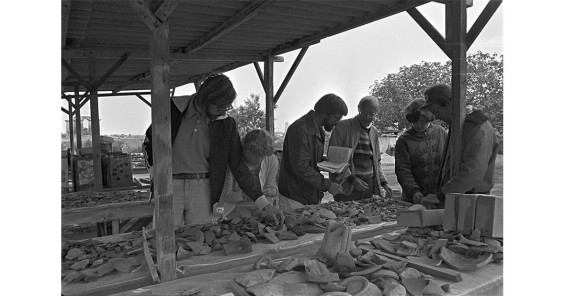
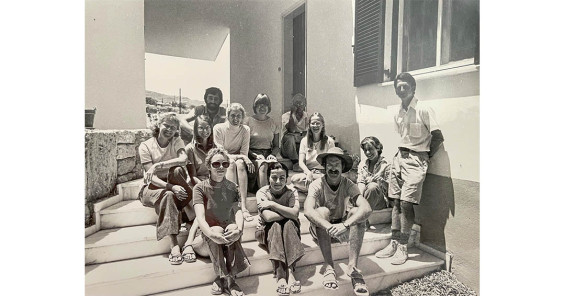
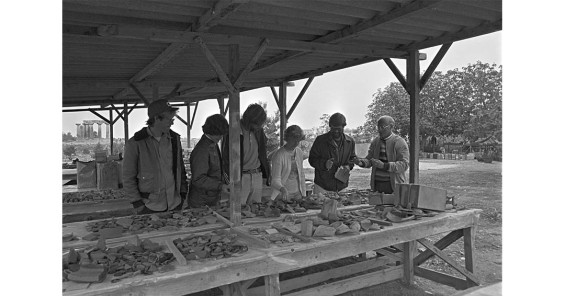
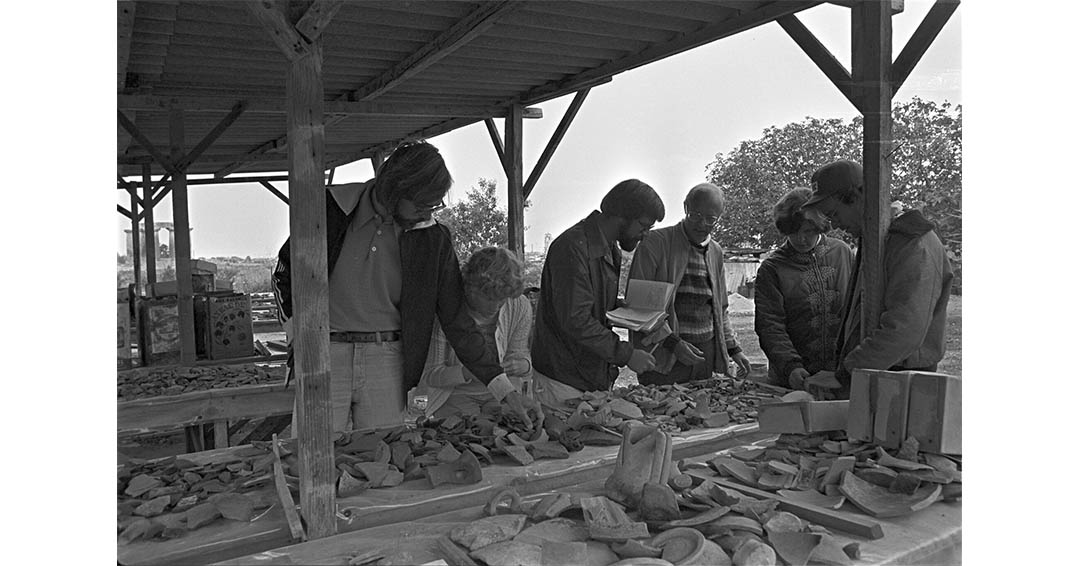
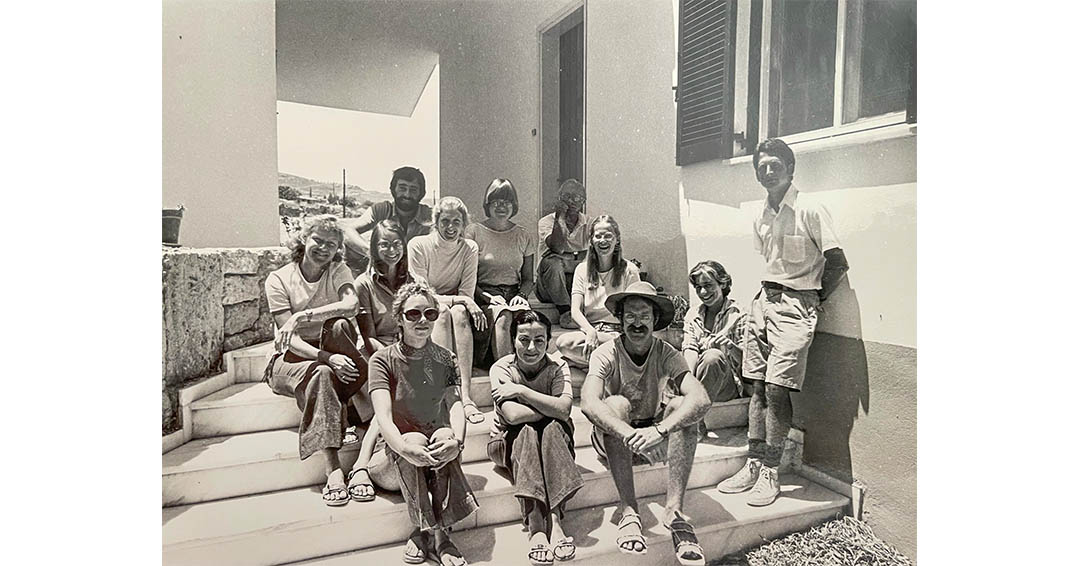
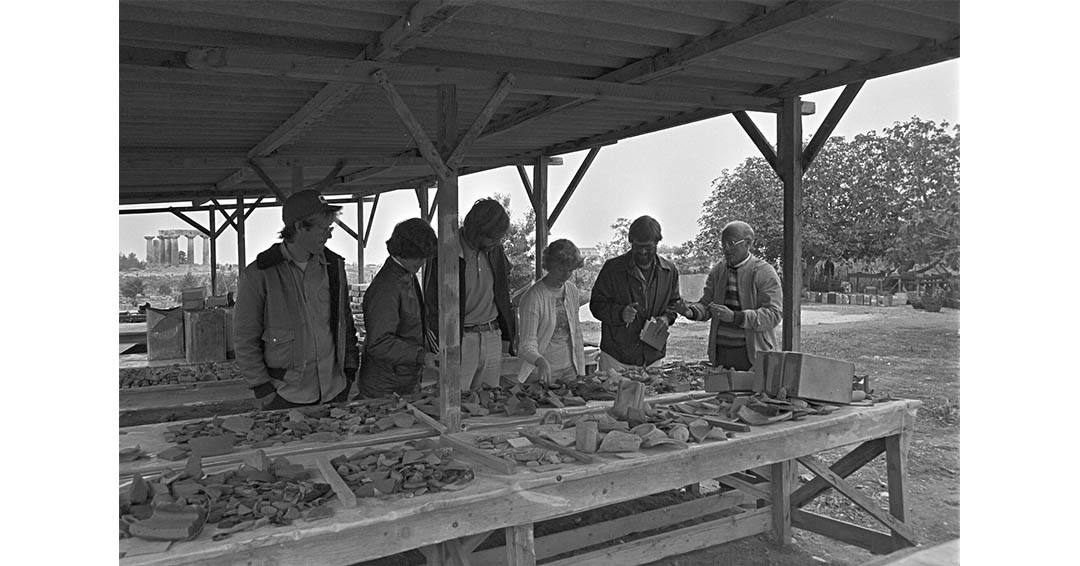
This photo was taken during the training session in the spring of 1975 with Charles Williams, Nancy Bookides, conservator Stella Bouzaki, numismatist Joan Fisher, and Regular members of the class of '74-'75.
Alan Shapiro
Regular Member 1974-75
I was extremely lucky to be chosen to dig at Corinth in the summer of 1974. It was there and then that I and my fellow students were taught, by Charles' modest and attentive example, not only how to dig, but also how to act--how to treat students, staff, and workers. I will always remember Charles for his knowledge and love of the site, but even more for his generosity, dignity and patience with the students fortunate enough to watch him, listen, and learn. The name Charles Williams is and always will be synonymous with the American School, and his impact upon that institution and the hundreds and hundreds of students and colleagues who worked with him will never be forgotten.
But here is one awkward, embarrassing episode to relate. Charles was especially kind to me when, one evening at dinner, I--a mere grad student--somehow managed to infuriate a visiting professor who in frustration poured a glass of wine ( I think it was Nemean red) over my head. I believed this was a violation of normal archaeological protocols (as well as a waste of very good wine). But I nonetheless responded in kind and poured a glass down her blouse. Charles must have been mortified at our infantile behavior, but he never scolded me, by which I concluded he thought the professor deserved it.
Jeffrey Hurwit
Regular member, 1973-1974
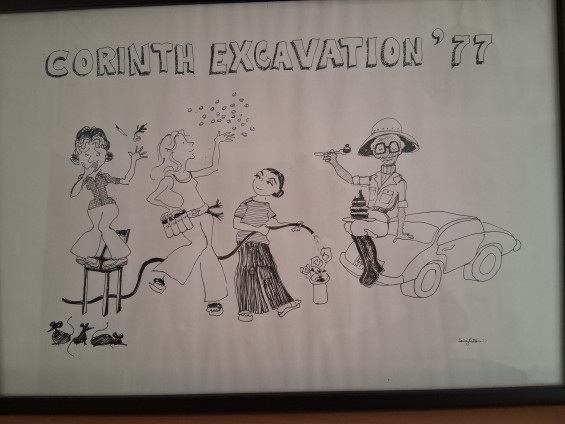
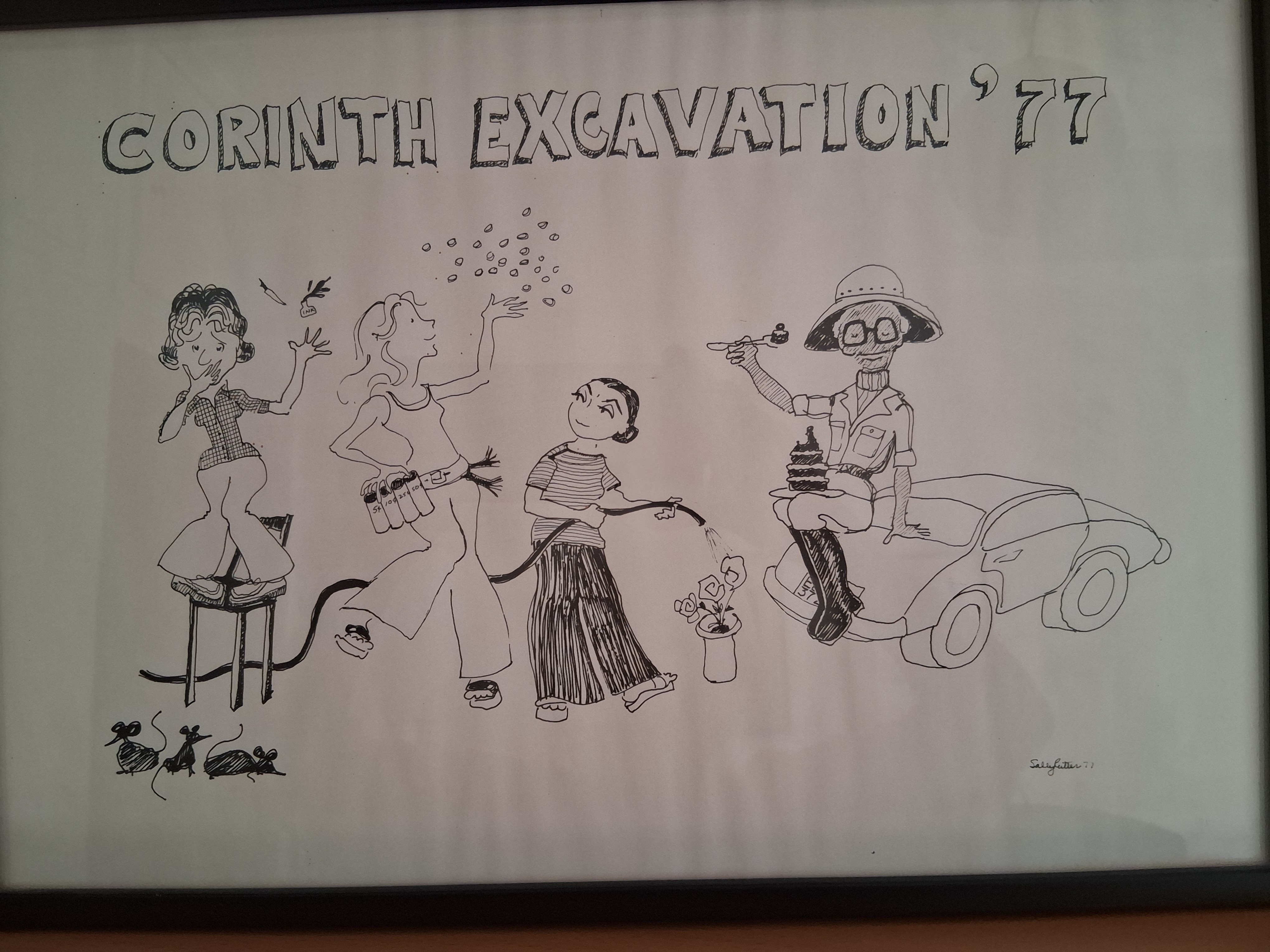
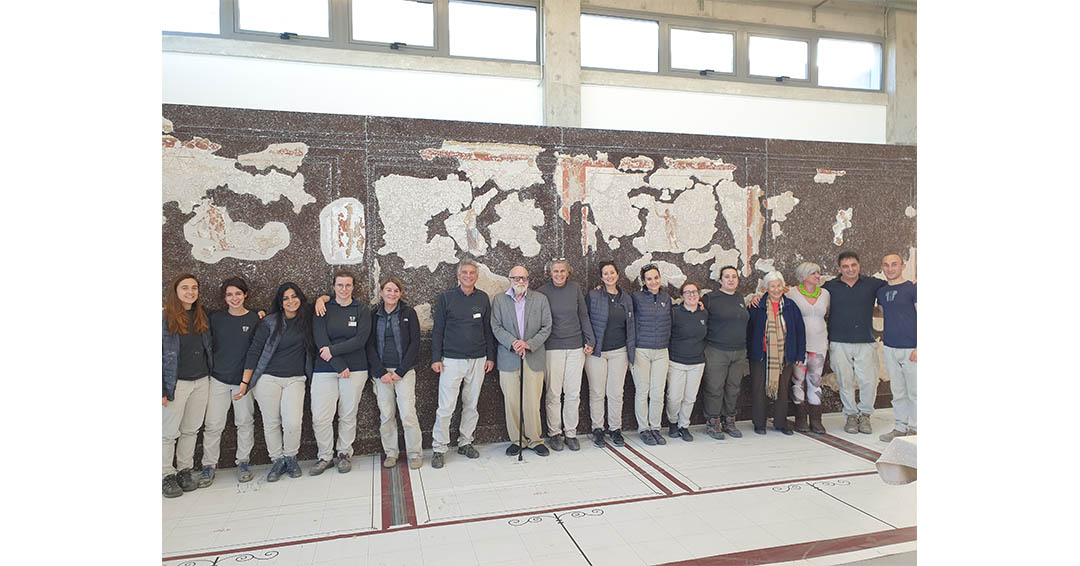
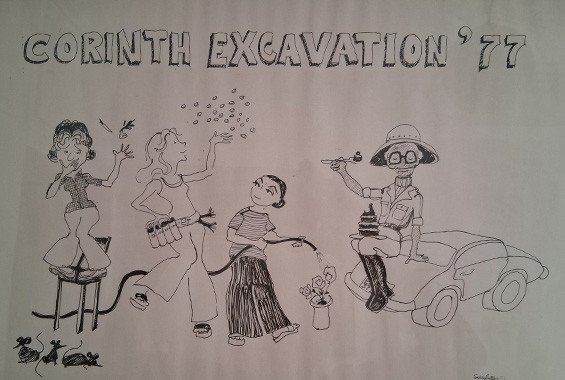
Four of the five trench supervisors from the 1977 Corinth excavation season gathered over lunch in Athens in June this year (2026) (Irene Bald Romano, Tom Palaima, Glenn Bugh and myself (missing was Margie Miles, but David Romano was there as a fine substitute) and toasted an ailing Charles in the nearby Evangelismos Hospital one last time. We all agreed about Charles’ profound impact on our lives, especially from that Summer of ‘77.
Below is my diary entry written on Monday, August 14, 1978:
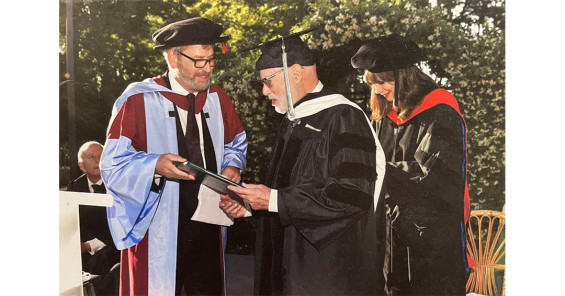
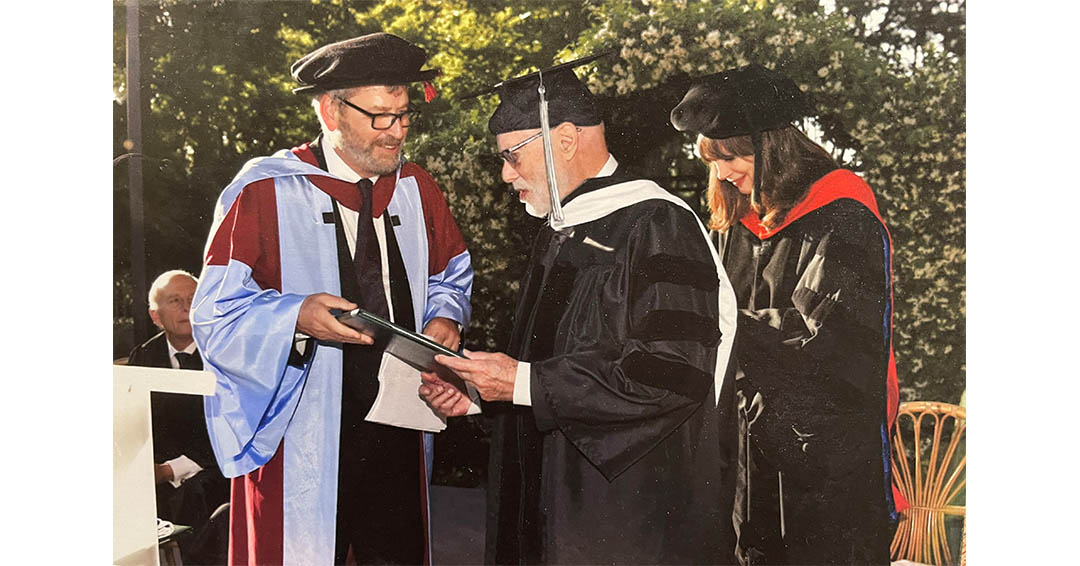
“Great celebration this evening! Charles Williams & I made a chummy good night of it, in honour of our getting our doctorates together last Friday. I brought a cold bottle of Greek champagne with me that has been resting in Dick Burgi’s fridge since Saturday & that helped us get the evening off on the right foot. We popped the cork & toasted each others’ accomplishments, to the tune of “Congratulations, Doctor!” and then we munched pistachios, sipped the champagne & talked Laconian pottery as the wine began to take effect. That got Charles into a chummy mood. He got off onto Rodney Young stories before we headed down to the restaurant. “Prounier’s” was the choice, a fine little French restaurant just two blocks away from his apartment. We had a fantastic meal of artichoke heart salad, “Tornedos” and then a rich pastry with cream dessert, all washed down with a fine French wine. Delicious!! And the conversation got more & more familiar as the night went on, so that now we both know each other’s childhood & up-bringing like we were cousins. He was really open about his parents & family, their attitudes to children, their faults & good points etc. I was beginning to feel a real bond with him.
So, with this august company, I wined & dined in celebration of my newly conferred title for life, “Dr.” Schaus. He paid the bill, 1350 drachs!”
Context: According to the story as I understood it, Charles wrote three dissertations for his PhD at Penn. The focus of the first one was on the architecture of the Zeus Temple at Nemea and because it was too architectural, or so I’m told, it was rejected. The second one was written on the Roman temples at the west end of the Forum at Corinth. He had only one copy of this study and it was totally lost when the excavation house at Corinth burnt down in the 1970s. The third one was likewise on the Roman temples at Corinth and this one he submitted successfully, receiving his PhD on August 11, 1978, the same day as I did from Penn.
Gerry Schaus
(ASCSA student associate member 1976-1978)
Student, excavation trench supervisor, friend
In the early 1970s I came to Greece to do my docoral research in cultural anthropology. In Athens I looked up my friend from graduate school ty Brown U., Bob Pounder. He was leaving soon for a stint at the Corinthexcavatons and told me to stop by on my way to southern Greece where I would be going for my reaearch. In a few days I was on my way and stopped at the Corinth excavations and found Bob. "Oh," he said, "it is lunch time. Let me see if you can have lunch with us. A few minutes later he came back looking a bit glum and said, "I am so sorry; Mr. Williams says you cannot have lunch with us. So Bob and I went to a restaurant in town. In the next two years I got to know Mr. Williams and was a bit of a fixture at the school when I was in Athens on R & R. At the end of two years I was headed back to the states and on my last trip from Mani I would be passing through Corinth around dinner time. Remembering my experience two years earlier I stopped at a small village (Irene Pappas' village in fact) and had a souvlaki. But I did stop at the Corinth dig house to say good bye to Mr. Williams and my other friends there. Everyone was in the lounge having an after dinner coffee when I walked in. Mr. Williams greeted me like a long lost friend and then went in the kitchen and told the cook to prepare me a meal. "But I have already eaten," I said. "Nonsense," said Mr. Williams, "you need some nourishment." So, in spite of my protests, I was served a large portion of what the diggers had just dined on. Later I got to know Mr. Williams even better as we served on the board of the Collewge Year in Ahens program together and we became fast friends.
Peter Allen
Associate member of the school in the '70s
How deeply saddened I remain after Charles Williams' death. I was so absolutely privileged to excavate at Corinth under his direction when I was a regular member at the School in the 1980s. What I learned about archaeological technique was the impetus for my career as a field excavator, but it was not necessarily methodology that I acknowledge as I write. Charles Williams taught me more about pottery than any other archaeologist I ever encountered, and when I went on to spend hours over pottery tables at other excavations, the sorting of pottery and reading of forms and decoration was a true joy. Whatever facility I carried forward in assessing pottery I owe to him -- and with deep gratitude. I remember, too, quite vividly one day at Corinth that Charles' birthday was coming up, and he admitted at the dinner table one evening how much he liked the red poppies growing in the fields. Before breakfast on his birthday, I went roaming through the excavation and collected every red poppy I could find and then placed them in all the available containers in the excavation house. The dining room was awash in red poppies when Charles entered for breakfast...and the beaming smile was an utter gift.....His memory will be a blessing.
Nancy Serwint
Excavation at Corinth
As you said, yes, Charles Williams III was a giant of the ASCSA.
John Lenz
grad. student at ASCSA 1988-89 and at Corinth
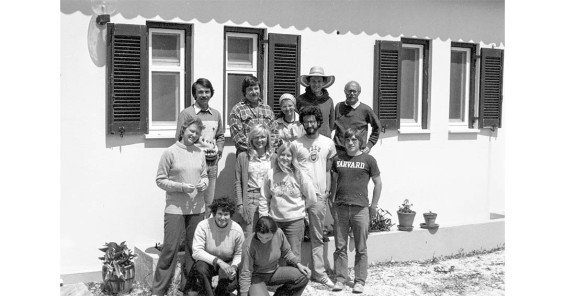
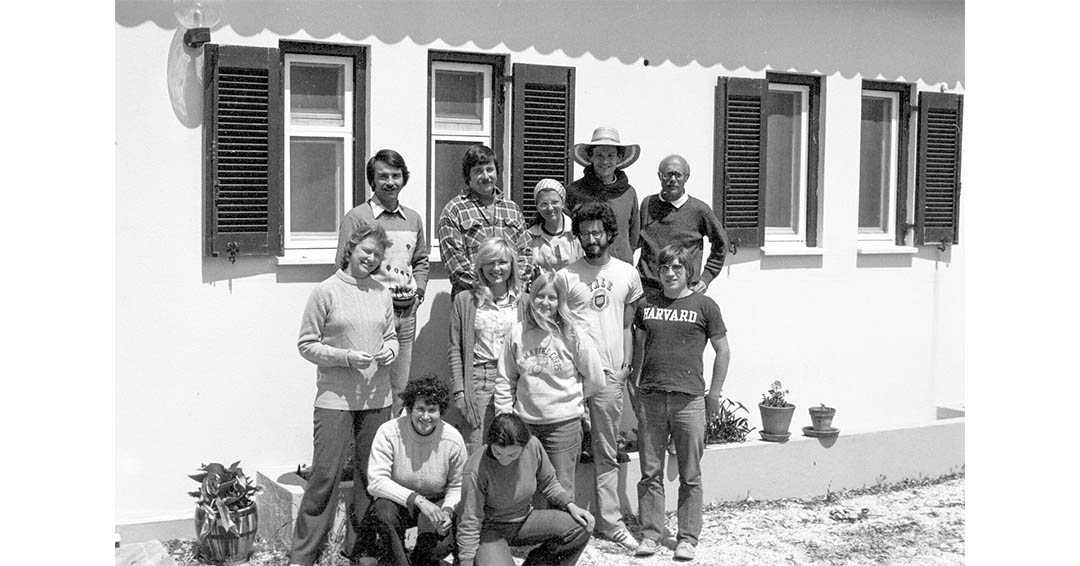
Here are some members of the ASCSA school year 1978-79 Corinth excavation training team. The training sessions were in two groups; I believe this was the second. I am not sure at what point the photo was taken.
Back row: Steve Oberhelman, Victor Davis Hanson, Marny Payne, Mr. Williams.
Front row: Nigel Kennell, Bill Murray, Christina Dufner, Judy Evans Grubbs, Nancy Bookides.
I was always impressed that Mr. Williams always had us refer to him as "Mr." never as "Dr." or anything higher. An indication of his humility.
Marny (Martha) Payne
1978-79 Associate member
I was fortunate enough to excavate in Corinth with Mr. Williams in summer 1994. I am a philologist and so was the most inexperienced student excavating that summer. Mr. Williams took me under his wing and kindly and patiently explained various archaeological practices while Nancy Bookidis did the same concerning museum practices.
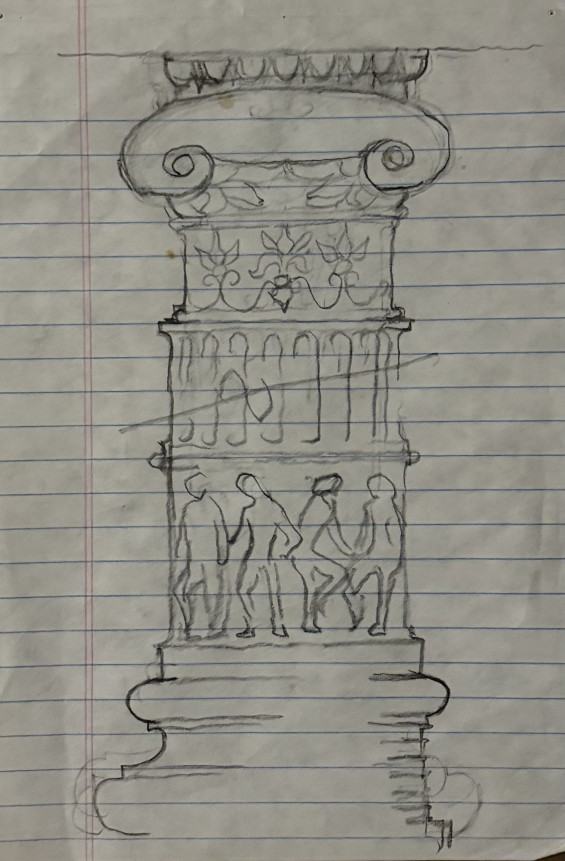
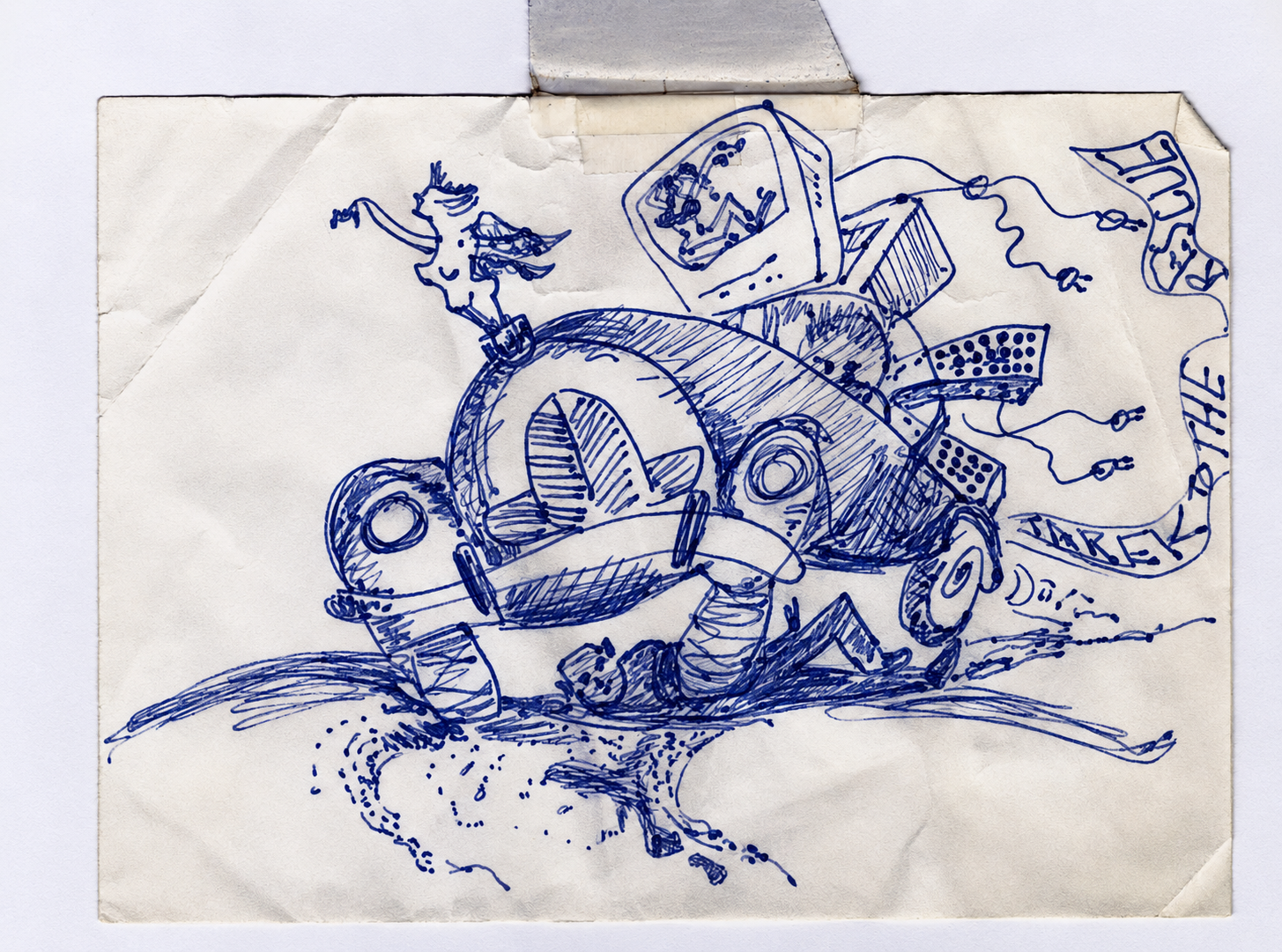
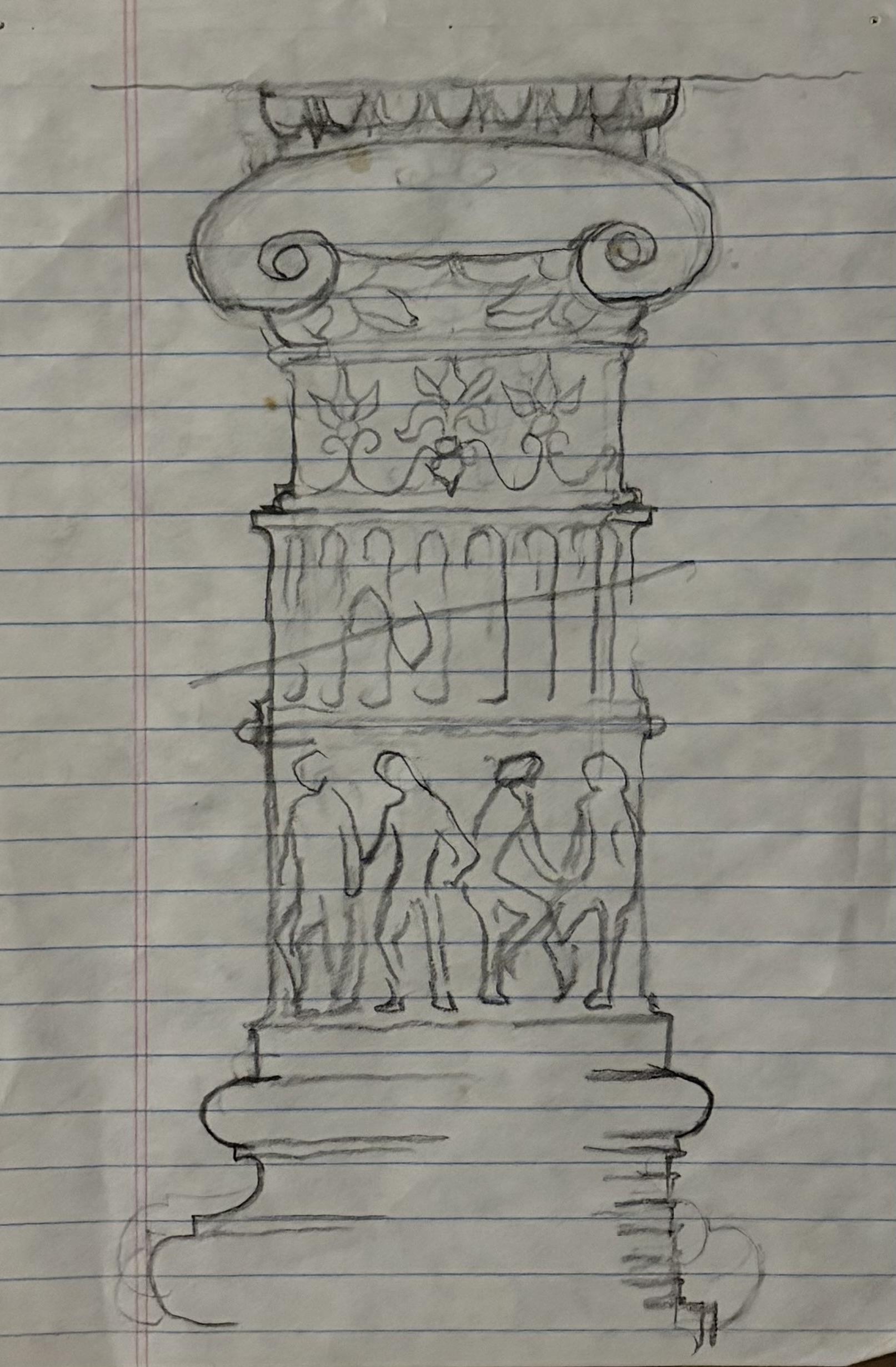
Mr. Williams was always very generous with his time and knowledge. Once he gave those of us excavating that summer an assignment after visiting a Greek orthodox church to draw a reconstruction of one based on what had been exposed in Corinth. I struggle drawing stick figures! Mr. Williams could see that I was having trouble with the basics and took my pencil and paper from me and drew a lovely reconstruction of a church that included a cute donkey on the side. I still cherish this drawing.
He was one of a kind and will be sorely missed!
Martha Habash
1993-94 ASCSA regular member
I had the pleasure of eating dinner with Mr Williams most evenings of May 2024 and May 2025 while gaining excavation Supervisor training. His knowledge and love of Corinth was inspiring and boundless, and his variety of stories about his experiences showcased his wit and humour. Despite being one of thousands of students he met throughout his extensive career, he made time to ask questions about my interest in the ancient world and always greeted me with warmth and kindness. I will remember him fondly, and send my most sincere condolences to everyone in Corinth who grieves his loss.